A commercial drainage emergency callout should first establish what is escaping or failing, which parts of the site are affected and whether the source is still active. Sewage backing into a building, a restricted yard outlet and a pumping station failure can all interrupt business, but they require different initial responses.
The immediate priority is to keep people away from sewage, contaminated water, electrical hazards and unsafe flooded areas. Affected facilities may need to be taken out of use and incoming discharge controlled where this can be done safely. The callout can then focus on containing the incident and identifying an effective intervention. Removing standing water or temporarily restoring drainage may help operations resume, but neither proves that the underlying fault has been corrected.
What information determines the first priority?
Start with the affected location and the direction the problem is developing. Water rising through an internal floor drain is different from rainwater collecting around an external gully. An incident limited to one washroom differs from simultaneous backups across several buildings.
Before making the enquiry, gather what the site already knows:
- Location: The building, production area, yard or plant room affected.
- Material: Whether the visible flow appears to be foul wastewater, rainwater or potentially contaminated process liquid.
- Timing: When the problem began and whether levels are increasing, stable or falling.
- Connected activity: Relevant washdown, production, rainfall or pump operation at the time.
- Existing evidence: Chamber references, drainage drawings, fault codes and previous attendance records.
These details help determine whether the initial task is controlling incoming flow, addressing an identified obstruction, recovering material or investigating failed equipment. They are also more useful than describing every incident simply as a blocked drain.
When sewage is backing up inside a building
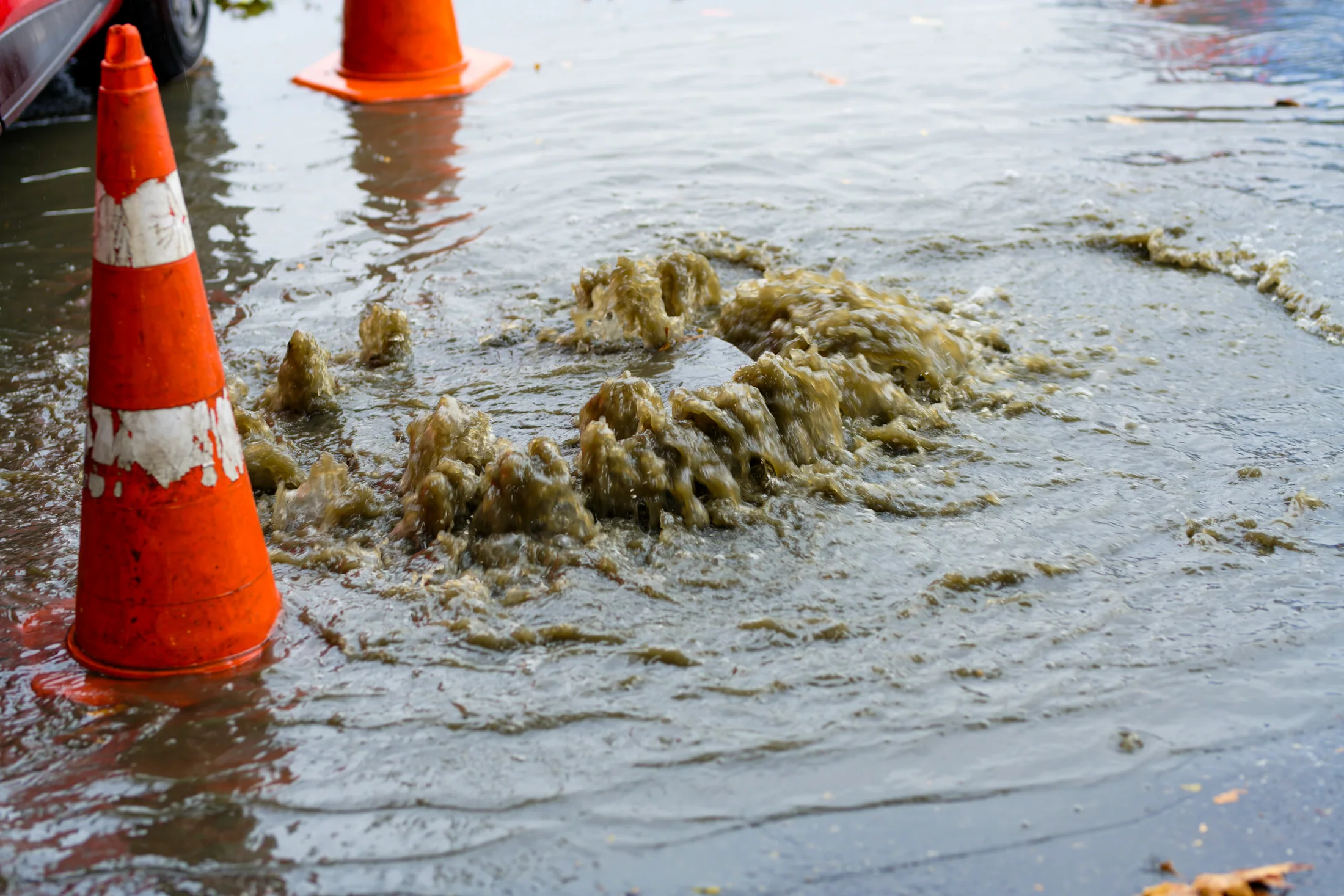
An internal foul-water backup can affect toilets, kitchens, basements or service areas. The first question is whether the affected fixtures share a branch or connect to a larger downstream run.
If only one fixture is affected, a local branch restriction is one possibility. If several outlets back up together, the shared section becomes more relevant. However, the first visible overflow may be the lowest connected outlet rather than the point of obstruction.
Record which fixtures are affected and whether their use can be temporarily suspended while the cause is assessed. A contractor needs to know whether incoming discharge will continue during the proposed work.
For suspected pipe obstructions, commercial drain cleaning can be considered for the identified section. If the drainage arrangement is unknown, the first attendance may instead need to locate the common route before deciding where clearance should take place.
What changes when the problem involves external drainage?
In a yard or loading area, water accumulating above a gully does not establish that the gully chamber itself is blocked. The outlet pipe, connecting chamber, downstream storage or receiving drainage may be affecting discharge.
Ask whether the problem began during rainfall, after a particular site activity or without an obvious change in conditions. Identify other gullies that remain functional, because the difference between them can help narrow the investigation.
The Environment Agency’s business pollution prevention guidance distinguishes surface-water drainage from foul and combined systems. That distinction matters when investigating a commercial incident involving contaminated liquid. The nearest available surface-water drain is not automatically an appropriate recovery destination.
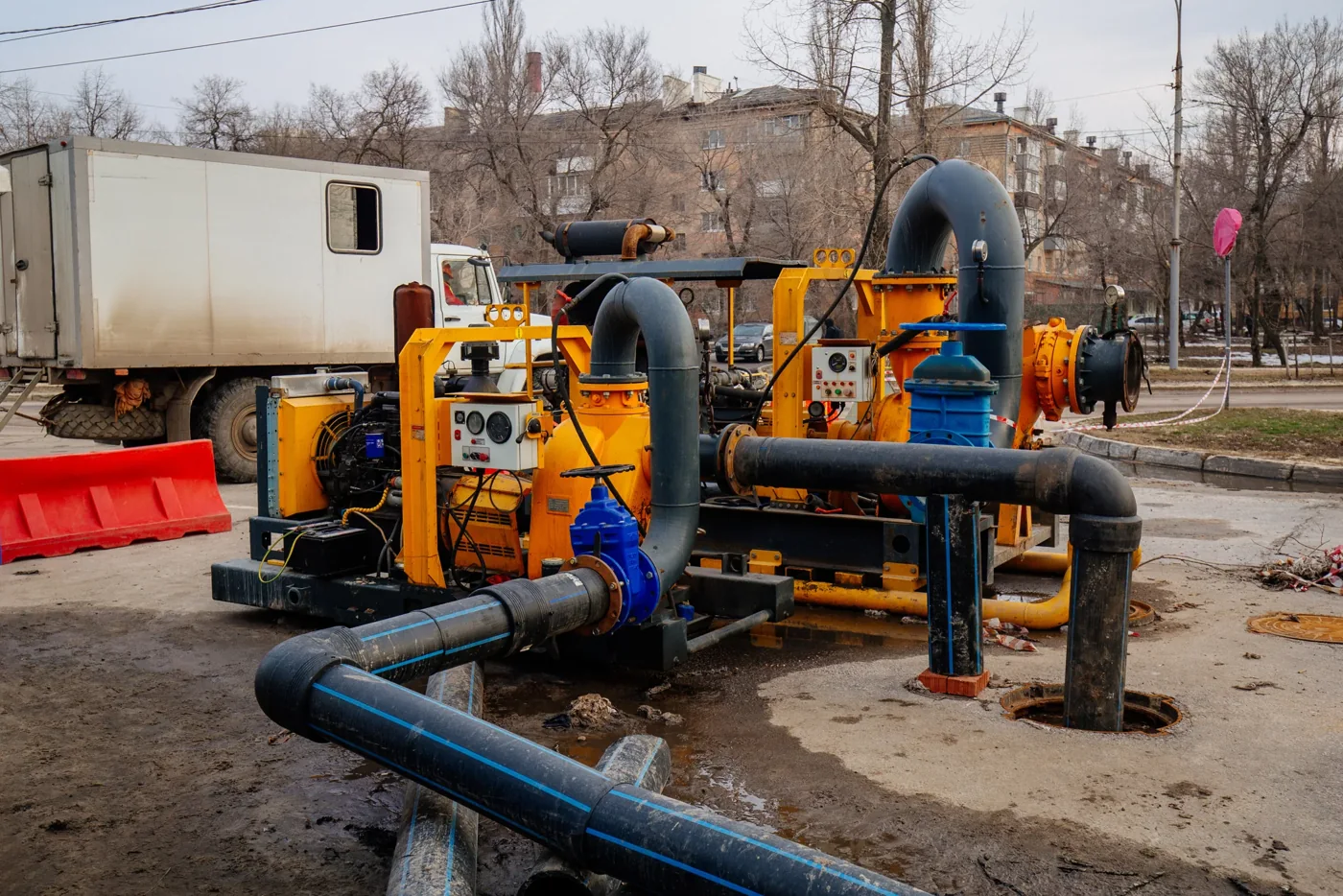
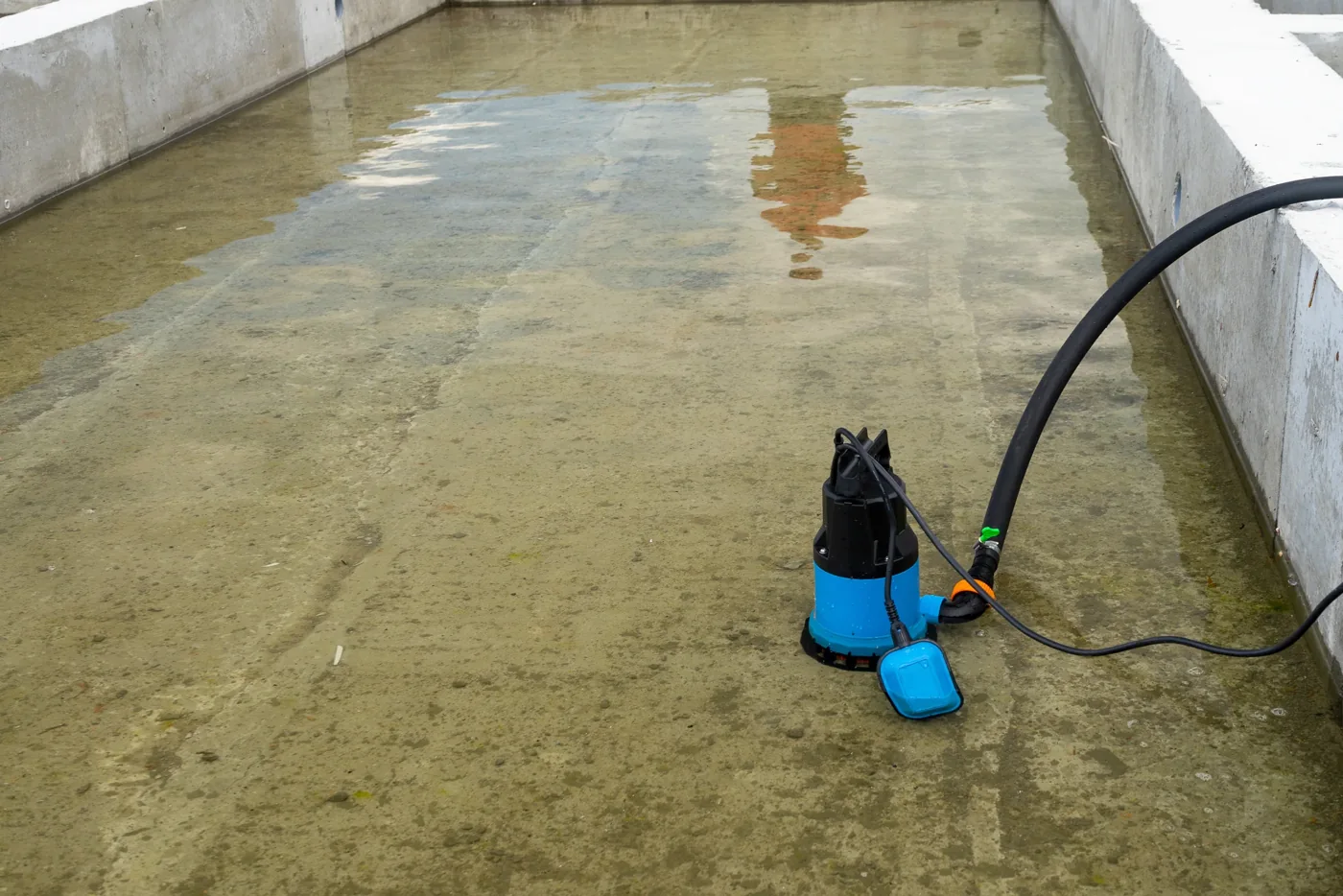
Where pumping or recovered-water removal is proposed, confirm how the receiving route will be assessed. The government’s flood response guidance identifies different authorities for pumping into public sewers, watercourses and highway drainage in England. The disposal or discharge arrangement therefore needs to be part of the scope, not an assumption made after equipment arrives.
What if the initial problem is a pump alarm?
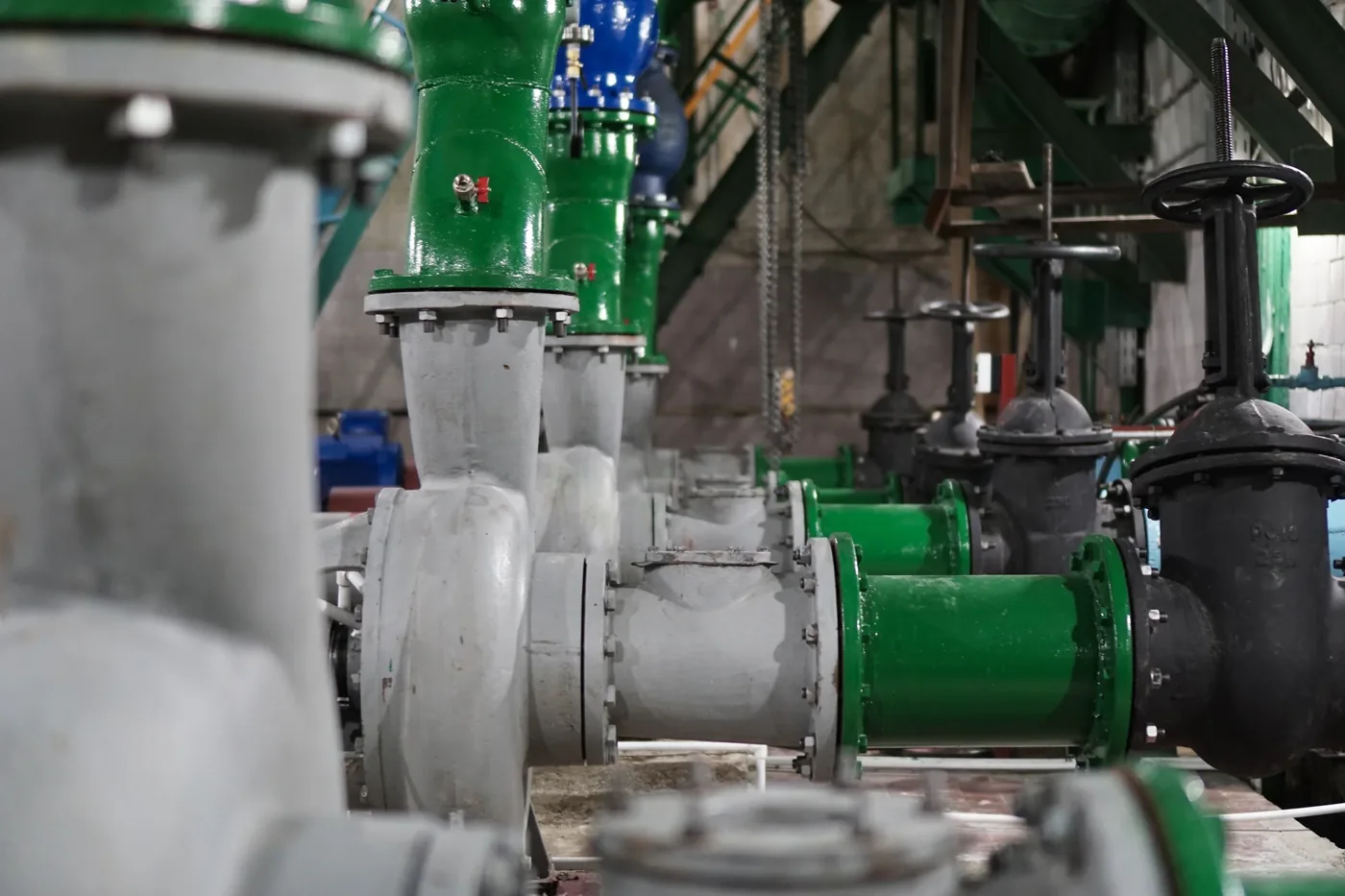
A high-level alarm can indicate that incoming water is accumulating faster than the station is removing it. This observation alone cannot distinguish a pump failure from a control problem, an obstruction or another operating condition.
Provide the precise alarm message, station identifier and timing. If available, include the indicated wet-well level, pump status and whether the alarm returned after an earlier intervention.
Removing accumulated material may help where deposits are obstructing accessible components. It will not establish that electrical controls, level sensors or pump equipment operate correctly. The first attendance should therefore identify which checks are included and which require further engineering diagnosis.
Where the fault appears to involve the pumping equipment, pump station maintenance may be needed to assess the pumps, level controls and associated equipment. Jetting alone will not resolve an electrical or control fault.
Who should respond if the fault is beyond the private system?
An apparent blockage within a commercial property may involve a public sewer or another party’s drainage infrastructure. Ownership cannot reliably be established from the position of the nearest chamber alone.
Ofwat’s guidance on public and private sewers explains the roles of sewerage companies and property owners in England and Wales. The sewerage company can be the appropriate contact where the affected asset forms part of the public sewer network.
For a commercial site, use the available sewer records, drainage drawings and location of the affected connection to establish the likely responsibility. If the incident crosses different network boundaries, note that uncertainty in the callout record rather than assuming a private contractor should undertake work on every affected section.
Where an incident involves pollution reaching a watercourse in England, the official water pollution reporting service provides the Environment Agency reporting route. This is distinct from commissioning mechanical drainage clearance.
What should the first attendance achieve?
A well-defined callout should produce an operational result and an evidence-based account of what remains unresolved. Those outcomes may be different if the site is still receiving wastewater or rainfall.
Ask for a completion record that distinguishes:
- Immediate action: What flow was controlled, material recovered or restriction treated?
- Verified result: Which outlets or assets were checked, and under what conditions?
- Unresolved cause: Is there a suspected defect, equipment issue or inaccessible section?
- Continuing limitations: Is incoming flow still present, and which facilities remain affected?
- Next action: Does the evidence support further cleaning, CCTV inspection, pump diagnosis or repair assessment?
A fall in water level is useful evidence of changing conditions, but it is not proof that every connected asset is working properly. Likewise, clearing one branch cannot confirm the condition of the wider network.
How to make an effective emergency enquiry
The most useful enquiry identifies the active incident, its operational effect and the information already available. Describe the site address and access arrangements, the affected assets, whether incoming flow continues and any suspected contamination. Include photographs or existing drainage records where available.
When arranging emergency drainage services for commercial sites, these details help establish what needs immediate attention rather than assuming the problem is simply a blocked drain. The objective is to achieve appropriate immediate control while defining the evidence and work needed to establish a lasting resolution.