Sewer Desilting and Sediment Recovery

Sewer desilting removes sediment that has settled along a sewer and reduced its usable section. It is different from pumping away standing liquid or opening a narrow flow path through a deposit. The scope needs to identify the pipe length, the access points and how loosened material will be recovered from the network.

HomeSewer Desilting and Sediment Recovery

Sewer Desilting and Sediment Recovery enquiry

Understand the deposit and its location

Silt, grit and other solids can collect unevenly along a pipe. A chamber may show a heavy deposit while another accessible point appears clear. The pattern depends on the incoming material, pipe geometry and flows, so a single observation does not describe the full length.

Previous surveys, maintenance records and accessible observations help define the initial cleaning extent. Where the deposit prevents inspection, the specification can distinguish the first clean from a later condition survey. This avoids treating an uninspected section as structurally satisfactory.

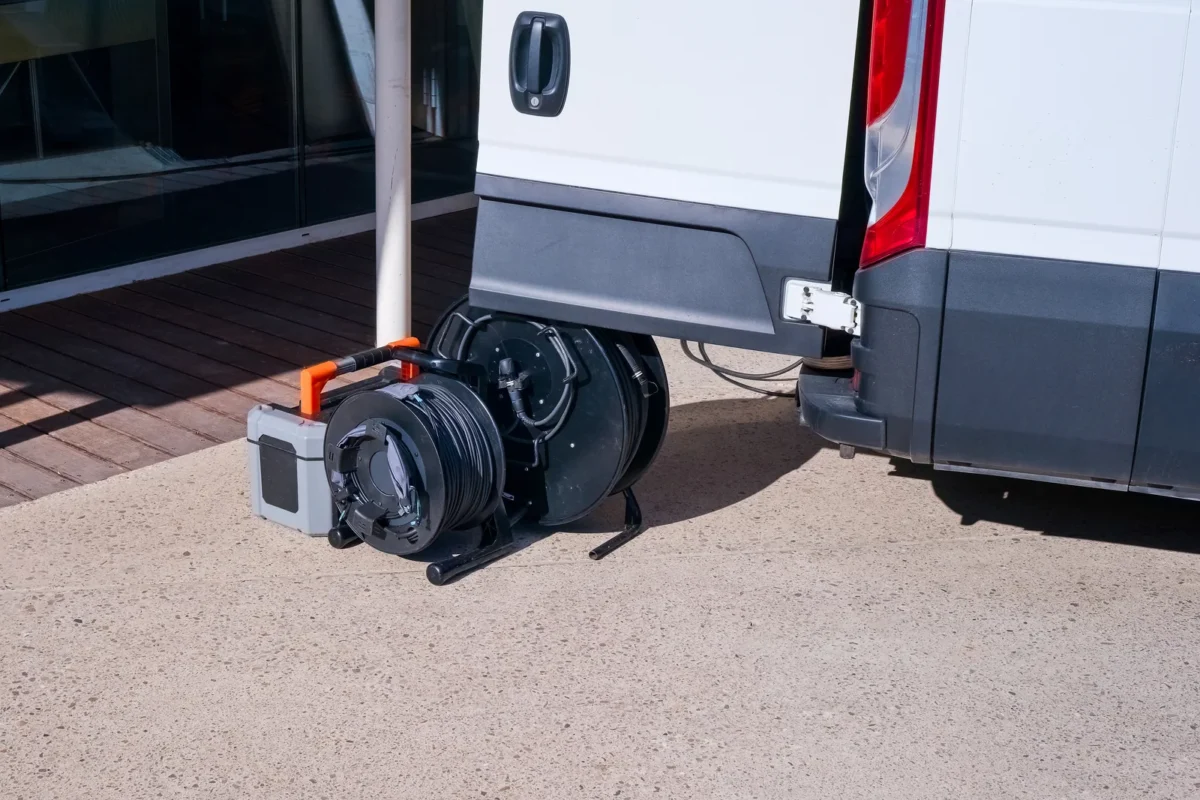
Drain survey camera and cable reel beside a service van.

Sediment beds and controlled recovery

Jetting can loosen deposited material and move it towards a suitable collection point.

Authority, flow and safe access

Work on a public sewer requires the sewer owner's authority and operating arrangements.

Loosen material and recover it

Jetting can move sediment towards a suitable collection point, while suction recovers material from the network. The equipment arrangement depends on the pipe size, sediment consistency, available chambers and the condition of the pipe.

The intended result is removal of the deposit, rather than simply moving it to another restriction downstream. The recovery point and the extent of each working section therefore matter. The quantity recovered is useful information, but it does not by itself prove that every part of the specified length is clear.

Free-liquid pumping can make access or observation easier while leaving a settled bed below. Where dense material remains, its location and the reason it could not be recovered should be distinguishable from areas that have been cleaned.

Account for flow and network operation

A sewer may continue receiving discharge from connected properties or site activities. The cleaning plan needs to account for those flows and the effect of working at the selected chambers. The time available and the accessibility of equipment can change during the work.

Ownership and operating responsibility need to be established for the affected section, particularly where a private site connects to a public network. Any access involving enclosed spaces has its own planning requirements; the HSE confined-space guidance provides the relevant framework.

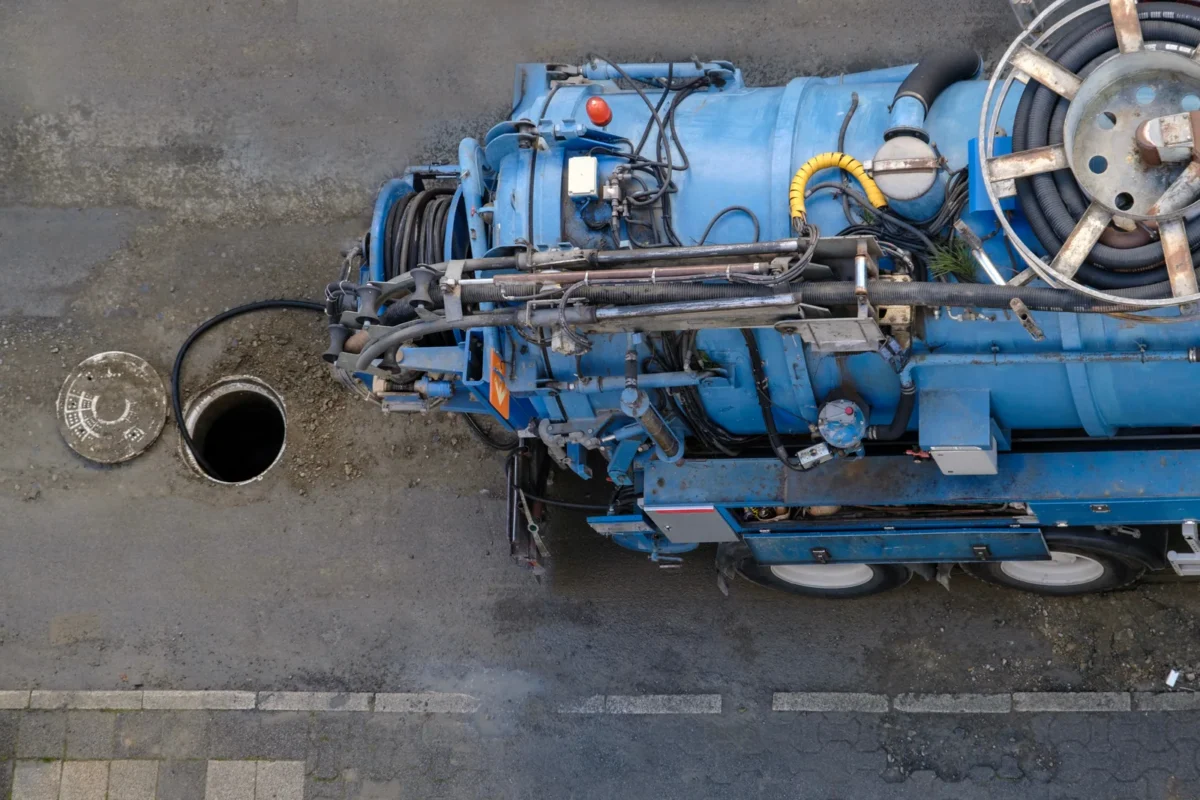
Overhead view of a vacuum tanker and an open drainage access chamber

Discuss sewer desilting

Complete the form and we will get back to you.

Inspect what the sediment was hiding

Once deposits are reduced, an inspection may reveal a low section, joint problem or structural damage. Desilting does not change the fall of the sewer or repair its fabric. Those observations can inform a separate maintenance or repair decision.

Continuing flow or a remaining obstruction can still limit camera coverage after cleaning. A useful record identifies the start and end references of the length actually inspected, alongside any part not seen. This is more precise than describing the whole sewer as surveyed.

Compare successive cleaning visits

A consistent set of chamber and pipe references makes it possible to compare where sediment returns. The recovered material and the time since the previous clean can help identify a changed upstream input or a persistently affected section.

The next maintenance decision can then be based on that pattern: adjust the cleaning extent, investigate an upstream source or examine a suspect part of the pipe. Repeated removal can manage an accumulation, but it does not establish why the material is settling there.

Sewer Desilting and Sediment Recovery: common questions

Is desilting the same as pumping sewage?

No. Pumping can remove liquid while a bed of settled solids remains. Desilting targets that deposited material.

Does desilting fix a poor pipe gradient?

No. Removing sediment and correcting a physical pipe defect are different activities.

What should a desilting record identify?

The pipe and chamber references, extent cleaned, material recovered, remaining deposits and any inspection limits are useful parts of the record.

Industrial Drain Cleaning

Services

Request a quote

Menu

Get a quote