Establish the affected drainage route
Slow flow, repeated surcharge and accumulated deposits can have different causes. Identify where symptoms appear and which parts of the system connect to that location. Existing plans and earlier inspection records can help, but the brief should distinguish confirmed connections from assumptions.
On a working site, process discharges, surface water and foul drainage may have different routes and controls. Understanding the relevant system helps establish where cleaning is needed and where loosened material could travel. An isolated symptom does not describe the condition of the complete network.
Match cleaning and recovery to the deposit
Silt, grease and process residues behave differently. The choice of jetting, suction or another method depends on the material, pipe or chamber condition and available access. The assessment needs to include how loosened deposits will be recovered, not only how they will be moved from the original location.
Describe any available information about the source and composition of the material. Recovered waste needs to be assessed and managed through an appropriate waste route. Contaminated washwater also needs suitable containment and disposal arrangements. In England, Environment Agency pollution-prevention guidance addresses the risks associated with discharges and drainage connections. Clearing one section should not transfer an obstruction or contamination into another part of the network.
Coordinate access with site operations
Chamber locations, vehicle positions, hose routes and pedestrian movements affect the practical arrangements. Include restricted areas, operating hours and activities that share the work area. Access to a drainage point may depend on other site teams or a planned interruption to an operation.
Where equipment or pumps are involved, clarify the responsibilities for isolation and any separate maintenance work. The drainage scope should identify what can be completed through existing access and what depends on another activity. This helps establish a programme that reflects the actual site.
Check the result and distinguish the next task
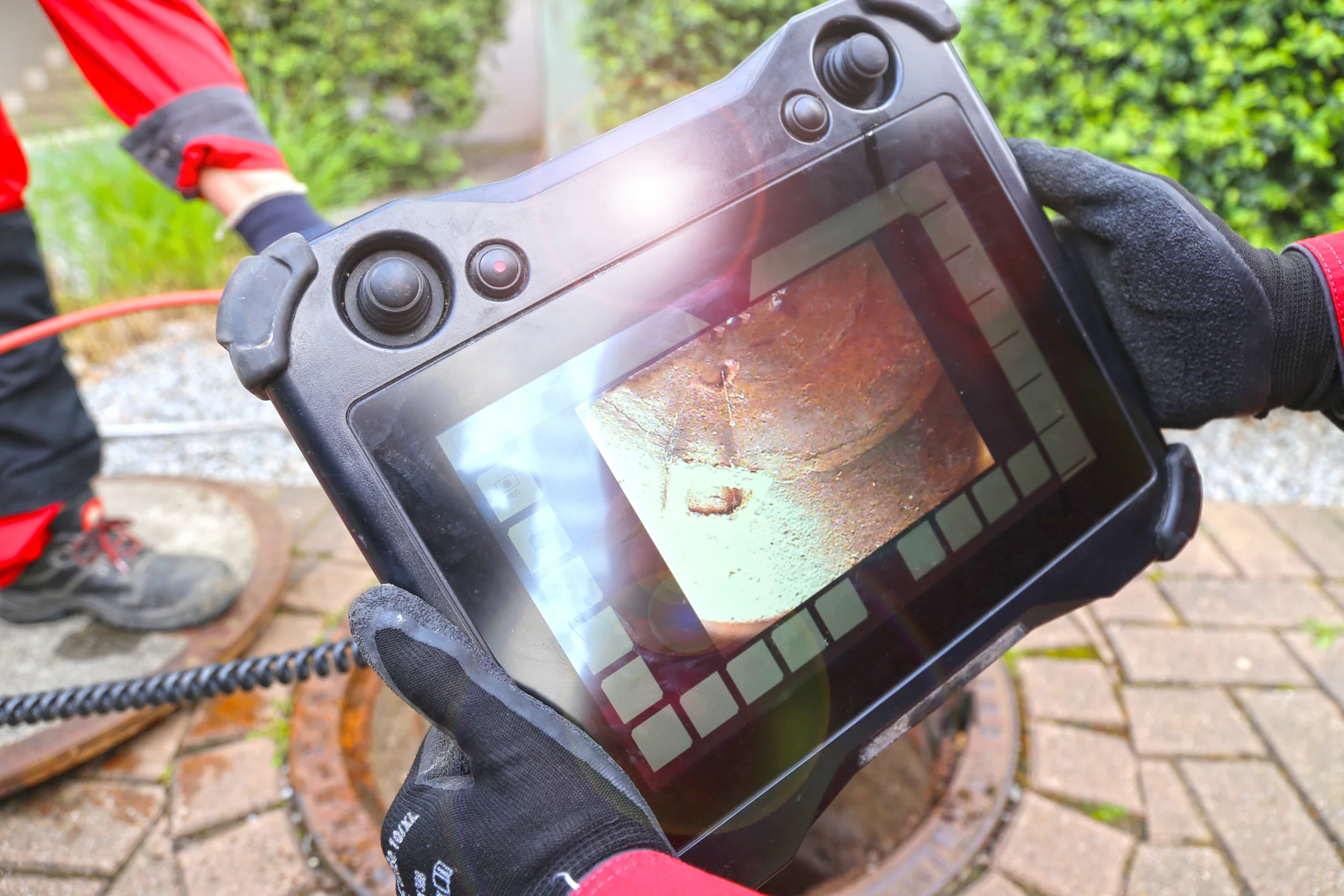
After cleaning, flow and visible condition can help establish whether the immediate restriction has been addressed. A camera inspection may provide further information where the route is accessible and conditions permit a useful view. Record any section that cannot be reached or adequately inspected.
Cleaning, condition assessment and structural repair are different tasks. If a separate fault is identified, the next recommendation should connect to the observed evidence. Avoid treating a successful clearance as proof that all connected drainage is free of defects.
Recurring restrictions and network condition
Where a blockage returns, the investigation needs to distinguish recurring deposit formation from a defect or limitation in the drainage system. Grease accumulation, silt movement, damaged pipework, displaced joints and restricted gradients can produce different patterns of failure. The history of the affected route, upstream activities and previous cleaning may help identify which possibilities warrant inspection.
A camera survey can provide visual evidence of accessible pipe condition, but its usefulness depends on visibility, access and the state of the drain. Cleaning records and inspection images should identify the sections actually covered. The service pages address individual cleaning and investigation tasks, while the separate guidance archive provides further drainage information.