Commercial and Industrial Drainage Services

Commercial and industrial drainage services cover the cleaning and investigation of drainage faults on business premises. A backed-up kitchen, a flooded yard and a pump alarm can involve different assets and different causes. The first useful step is to connect the symptoms to the actual drainage network and define what the work needs to establish.

HomeCommercial and Industrial Drainage Services

Commercial and Industrial Drainage Services enquiry

Identify the affected system

Drainage drawings, chamber references and the location of affected facilities help distinguish foul drainage, surface-water drainage and separately managed process liquids. A site boundary does not necessarily identify the boundary of every drainage responsibility.

Changes to buildings and operations can also affect the layout. A drawing made before an extension may omit a branch or show an outlet that is no longer used. Comparing the plan with accessible observations helps separate a known connection from an assumed one.

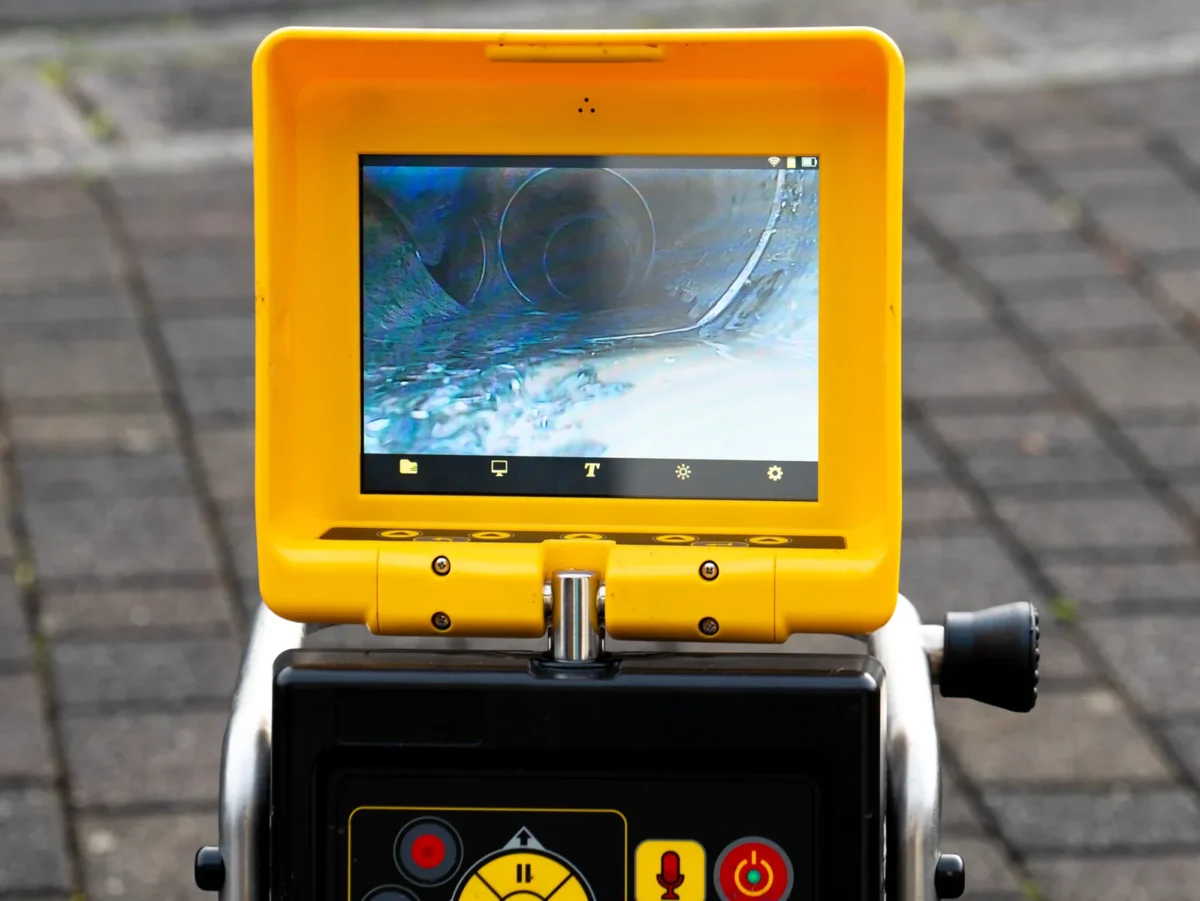
Portable drainage inspection monitor beside a sewer access point.

Identifying the drainage fault

Levels in accessible chambers help establish whether a restriction lies locally or further downstream.

Cleaning, recovery and site access

The immediate cleaning or recovery work is planned around safe access and any temporary loss of drainage use.

Select a task that answers the problem

Pipe cleaning targets deposits or restrictions. Suction recovery removes material from an accessible tank, chamber or collection point. A camera survey investigates the visible condition of a pipe. Each can contribute to the same job, but their results answer different questions.

A pump alarm may require investigation of the chamber level and incoming flow as well as the pump and its controls. Removing water does not itself show that a mechanical or electrical fault has been resolved. The specification should distinguish drainage cleaning from any specialist servicing required.

The order of work matters when deposits prevent inspection. A survey may be more useful after a defined clean, with any continuing obstruction or water level recorded as an inspection limit.

Plan access around business operations

Loading areas, traffic routes, occupied buildings and production activities can constrain equipment access. The location of a chamber may be straightforward on a plan but difficult to work at during deliveries or peak use.

The work area and any temporary restrictions should relate to every connected facility affected by the task. Phased work can be considered where the network permits it, rather than assuming that one building or department can be isolated from a shared drain.

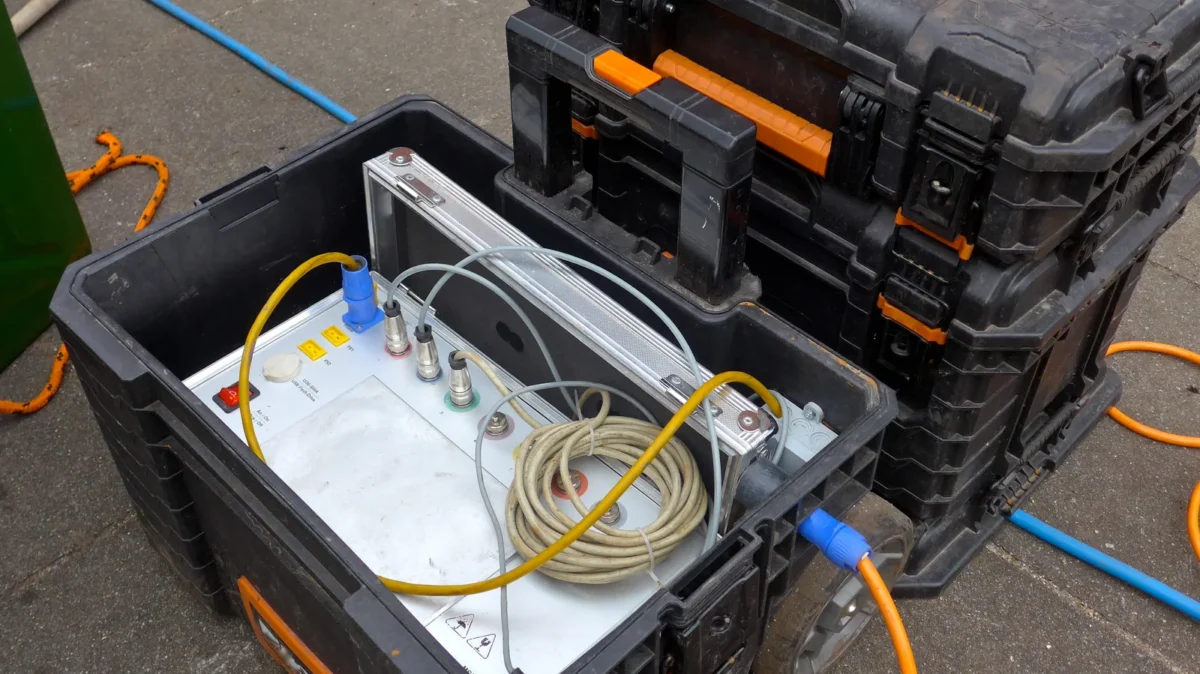
Cables and monitoring equipment in protective cases at a drainage worksite.

Discuss commercial drainage services

Complete the form and we will get back to you.

Separate immediate relief from repair

Restored flow is a useful immediate result, but a damaged joint, poor alignment or retained deposit may remain. Where a problem recurs, previous clearance findings help decide whether broader cleaning, inspection or repair is justified.

The Approved Document H guidance for England describes drainage design features. It is background to the installation, not a condition report for an existing site. Repair choices need evidence from the actual affected section.

Build an asset-based maintenance record

The result should identify which pipes, chambers or other assets were worked on and what was found. Location references, cleaned lengths and observations are more useful than a generic description of a drainage visit.

This record can support planned maintenance across a larger site. Tasks can be grouped by asset and reason, while repeat faults remain visible rather than being lost in a sequence of separate invoices. Where waste is removed from the site, the applicable duty-of-care records should be kept separately from the drainage cleaning record. Depending on the waste and the movement involved, this may include waste transfer documentation or hazardous waste consignment records. A later CCTV inspection or specialist servicing visit should have its own clearly identified findings.

Martyn is our technical spokesperson, with particular knowledge of tank cleaning, septic tanks and drainage.

Commercial and Industrial Drainage Services: common questions

Does a flow check show the drain is structurally sound?

No. Flow and structural condition are different questions. Inspection may be needed where the findings indicate a possible defect.

Can several tasks form one drainage job?

Yes. Cleaning, recovery and inspection can be coordinated, with each task’s extent and outcome defined separately.

Why use chamber and pipe references?

They help match a complaint, a cleaning record and a later survey to the same physical part of the network.

Industrial Drain Cleaning

Services

Request a quote

Menu

Get a quote