

Silt trap cleaning removes sediment retained before it reaches downstream drainage or storage. We empty and clean the agreed chamber without washing its collected load through the outlet. A full trap has less space to retain new sediment, which can allow more material to move into the system it is intended to protect.
Silt Trap Cleaning
Silt trap cleaning for commercial yards and site drainage, recovering retained sediment and checking accessible connections and components.
HomeSilt Trap CleaningSilt Trap Cleaning enquiry
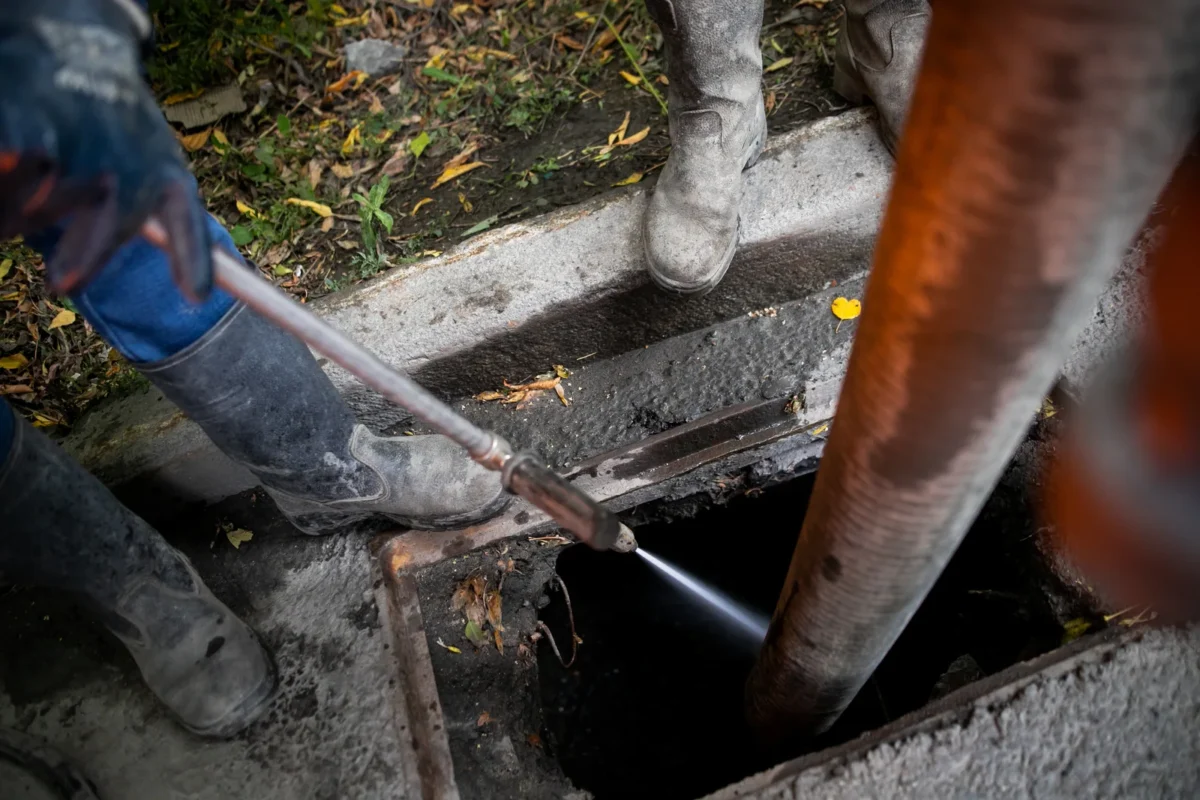
Settled material and trap components
The catchment determines whether the chamber receives fine soil, road grit or construction debris.
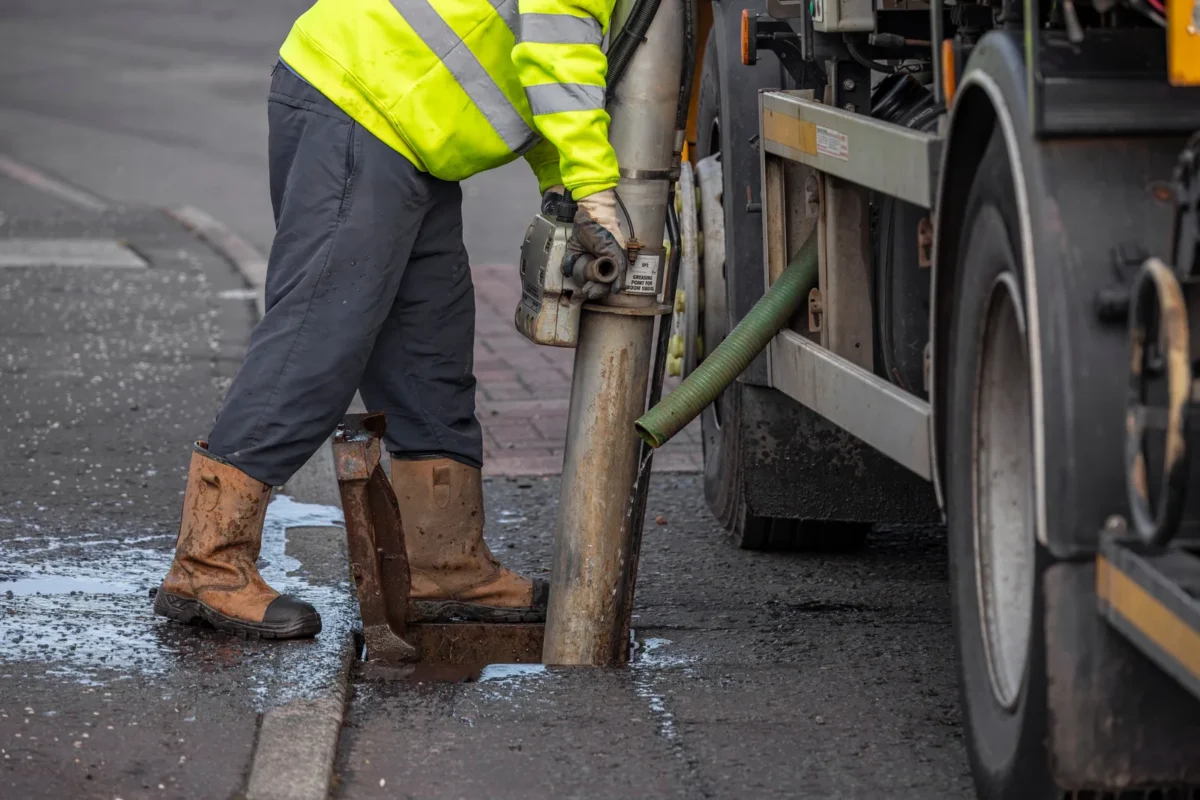
Suction recovery and incoming flows
Vehicle access, hose position and incoming water are considered before the trap is emptied.
Settled material and trap components
The catchment determines whether the chamber receives fine soil, road grit or construction debris. We assess the material and recover it using suitable suction and cleaning methods. Baffles and outlet arrangements influence how the trap works, and a damaged component or bypass route can allow sediment downstream.
Discuss silt trap cleaning
Complete the form and we will get back to you.
Suction recovery and incoming flows
Vehicle access, hose position and incoming water are considered before the trap is emptied. Open covers are controlled, and the recovered material is assessed for contamination before disposal. A downstream tank is a separate asset and is included only if that work has been agreed.
Outlet condition and cleaning intervals
We check the accessible outlet and identify any continuing restriction. The amount and type of sediment found help inform the next inspection interval; construction activity or seasonal debris can increase loading well above that of a stable paved yard.
If downstream storage is collecting unusual amounts of silt, the trap and incoming catchment should be checked together to distinguish a component fault from increased sediment loading.
Silt Trap Cleaning: common questions
Is a silt trap the same as an oil separator?
No. A silt trap primarily retains sediment and does not perform the same function as an oil separator.
Can a full trap send silt downstream?
Yes. As retention space fills, more sediment can pass to downstream drainage.
Does trap cleaning include the receiving tank?
Only when the receiving tank is explicitly included in the agreed work.
Can a damaged baffle affect performance?
Yes. Internal defects or bypass paths can allow material to pass through.
Should building work change the cleaning interval?
Extra sediment loading can justify closer inspection and a revised interval.