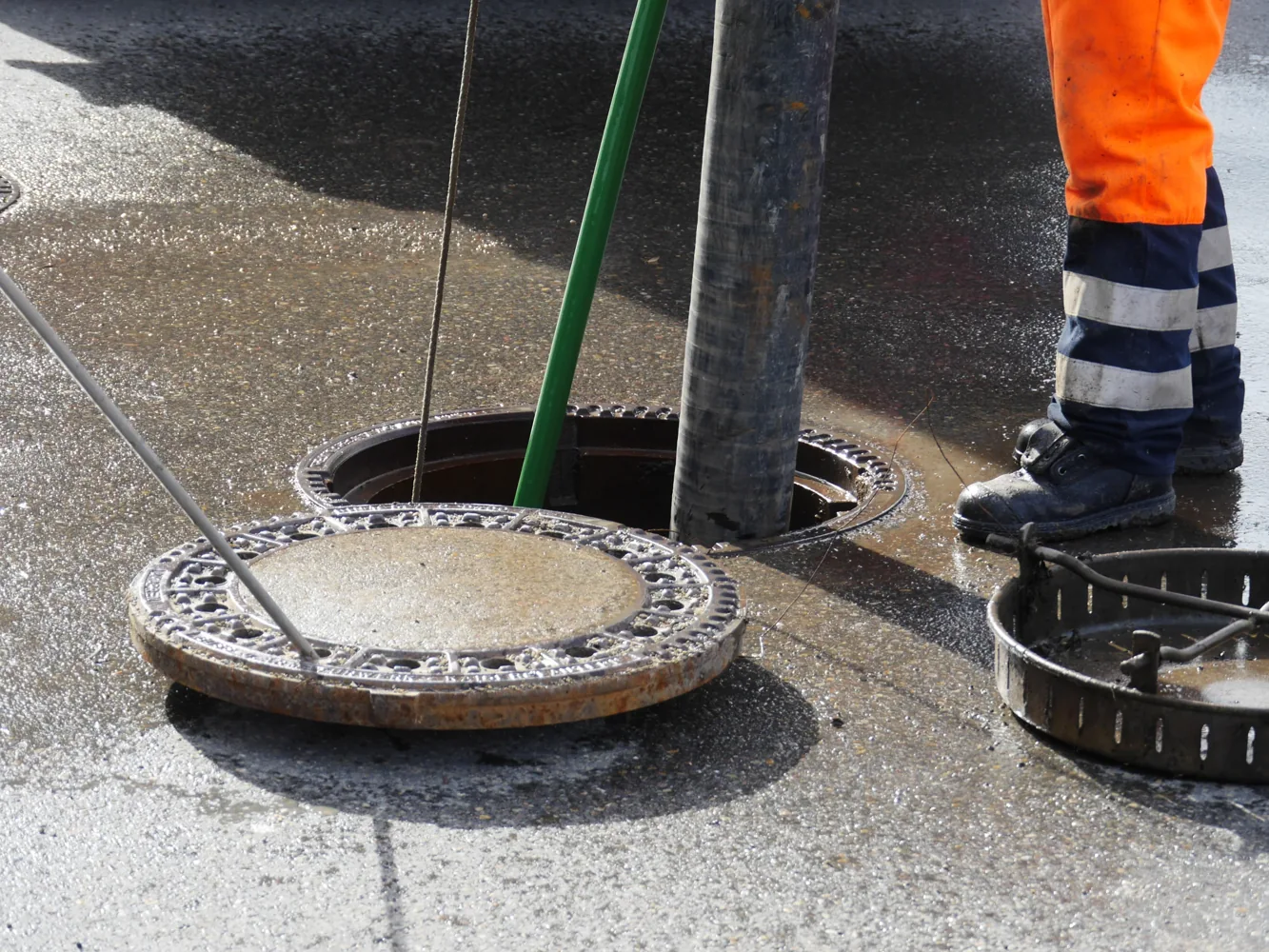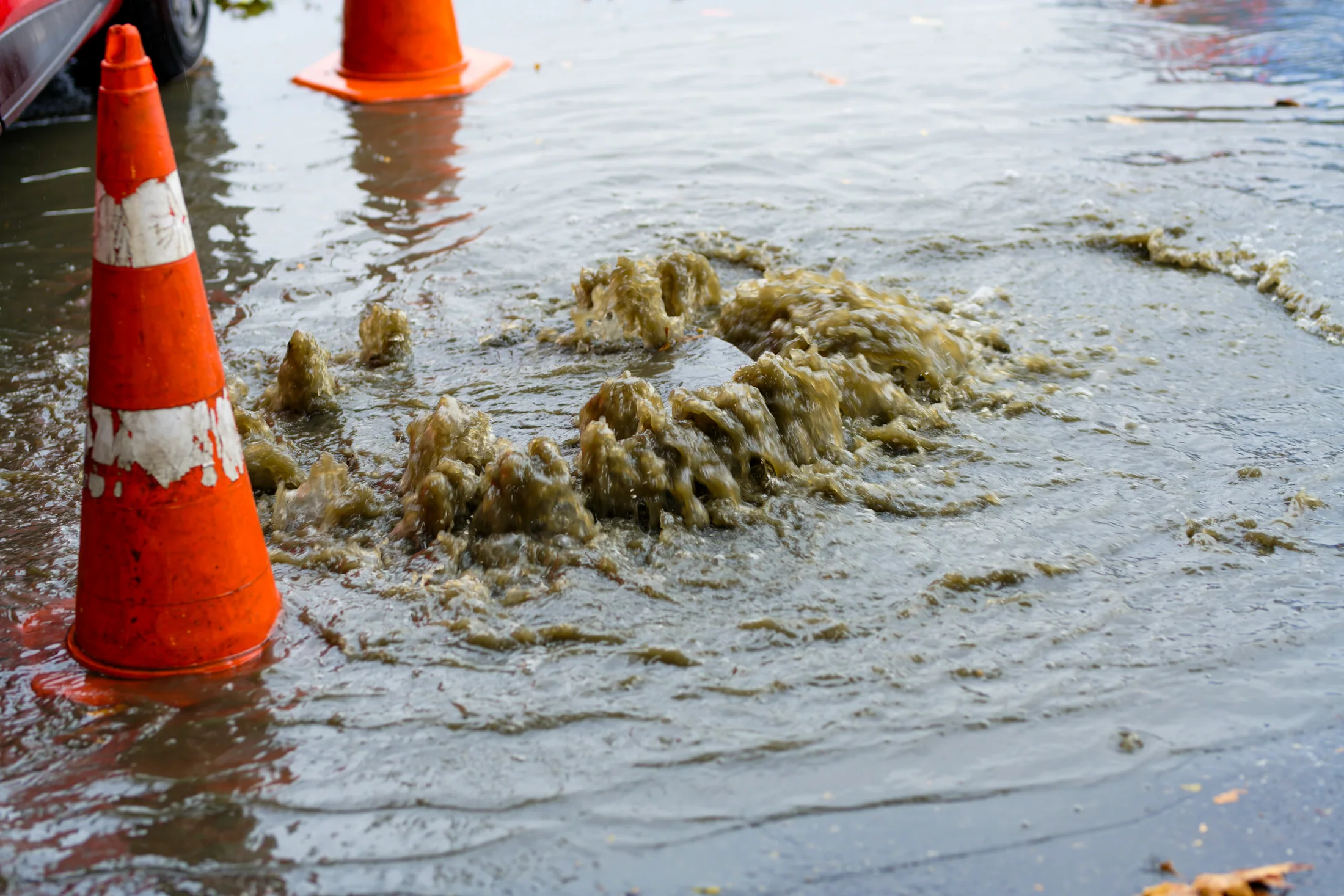
Wet-well cleaning can remove accumulated material, but an alarm can remain because the station has a separate pumping, level-detection or control fault. The alarm description and the sequence of events after cleaning are more useful than assuming that another emptying visit will resolve it.
Establish what the alarm reports
A high-level indication, a pump fault and a power-related fault describe different conditions. Record the exact message, which pump or asset it refers to and when it occurred. Include whether the station was still being serviced or had returned to normal operation.
Where monitoring records are available, retain the relevant level and operating history. A single photograph of a panel cannot show whether a level rose gradually, changed suddenly or remained abnormal throughout the visit. The existing history helps the engineer select appropriate checks.
When requesting pump station maintenance, provide the previous cleaning report and the fault information together. State whether the requested work is further cleaning, investigation of the level controls, assessment of pump operation or a combination of these tasks. This allows the proposed scope to address the unresolved condition without assuming that cleaning and fault diagnosis are the same service.
Confirm the boundary of the cleaning work
The job record should identify the wet well, the material removed and any accessible components checked as part of the agreed scope. It should also state what was excluded, such as pump lifting, electrical testing or inspection of connected pipework.
A record that a tanker removed contents does not establish the condition of a pump or its controls. Equally, a pump fault does not prove that the cleaning was ineffective. Compare the work completed with the specific condition now being reported.
If material remained in an inaccessible area, or an obstruction prevented part of the work, that finding belongs in the handover. It gives the next contractor a defined task instead of an assumption that every part of the station was cleaned.
Consider level detection separately from pumping
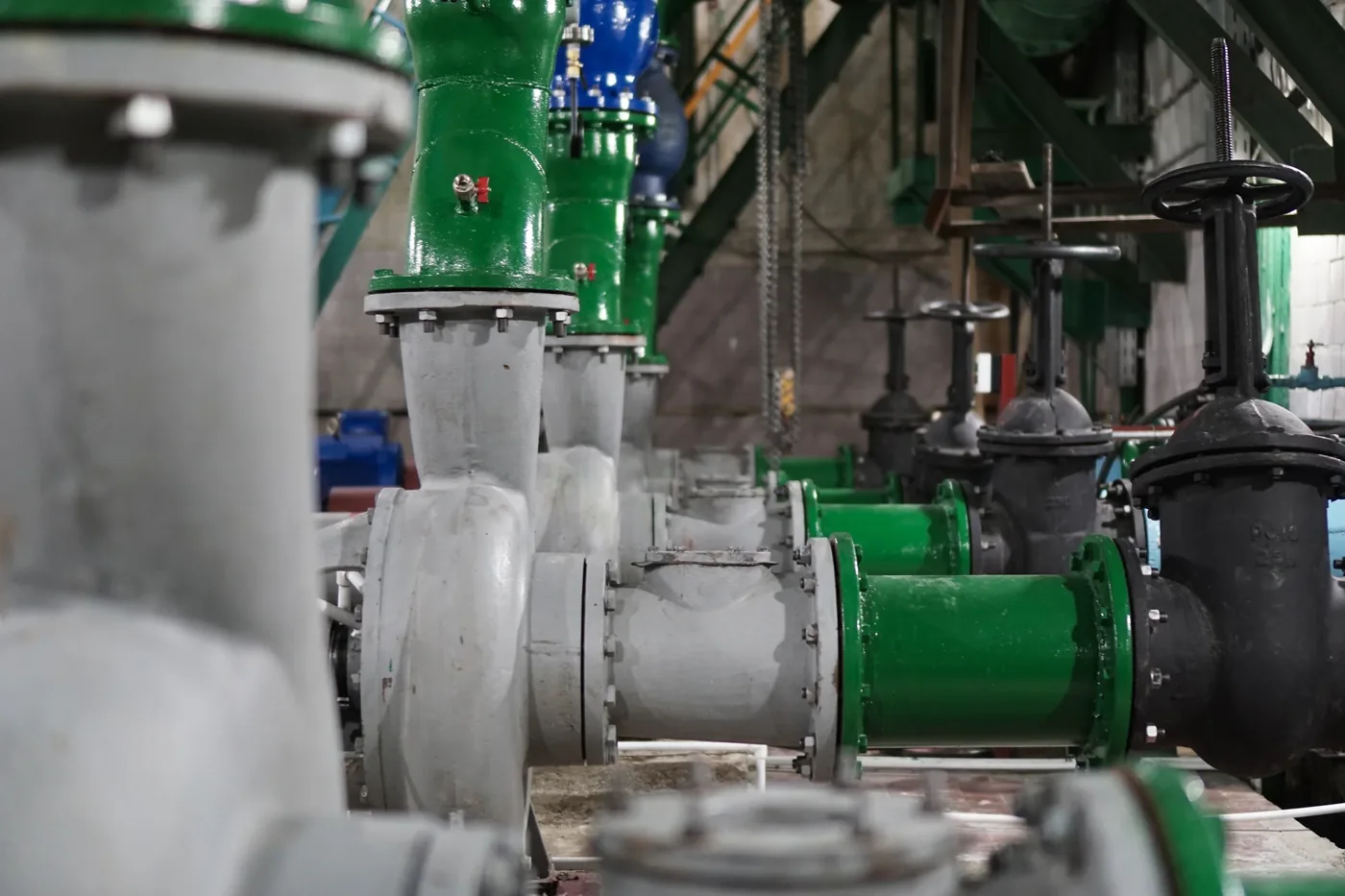
Pumping stations use equipment to detect liquid level and control pump operation. Depending on the installation, this may include float switches or other level-sensing arrangements. A level indication needs to be interpreted alongside the equipment fitted and the actual conditions found.
The Environment Agency’s drainage-network modelling guidance identifies pump rate and switch-on and switch-off levels as information used to represent pumping stations. For a persistent alarm, the practical distinction is between the actual wet-well level, the level indicated by the controls and the pump’s recorded response. The modelling guidance does not prescribe maintenance tests. Removing material from the wet well does not establish that the level controls or pumping equipment are working correctly.
Ask the attending engineer to explain whether the indicated level agrees with their verified observations, whether the pump responds as expected, and what remains untested. This is a request for diagnostic evidence, not an instruction for site staff to change settings or bypass a control.
Make the follow-up scope specific
A useful follow-up request might concern a repeated high-level event after the station returned to service, a named pump that remains unavailable, or an alarm that cleared during maintenance and returned under normal inflow. Each gives the engineer a different starting question.
Provide the asset reference, available operating manual, recent service dates and access arrangements. Include any known changes to the connected site, such as a new process discharge, without presenting them as a confirmed cause.
At completion, retain the recorded fault, work undertaken and operational checks performed. If the cause is still unresolved, the report should name the next investigation and its purpose. That makes a subsequent visit a continuation of the diagnosis rather than a repeat of the same unexplained clean.