

How Often Should an Interceptor Be Emptied?
Plan inspections and maintenance for interceptors, gullies and site drainage. We can carry out the checks, measure build-up and arrange cleaning or emptying where needed.
Call 0333 533 0162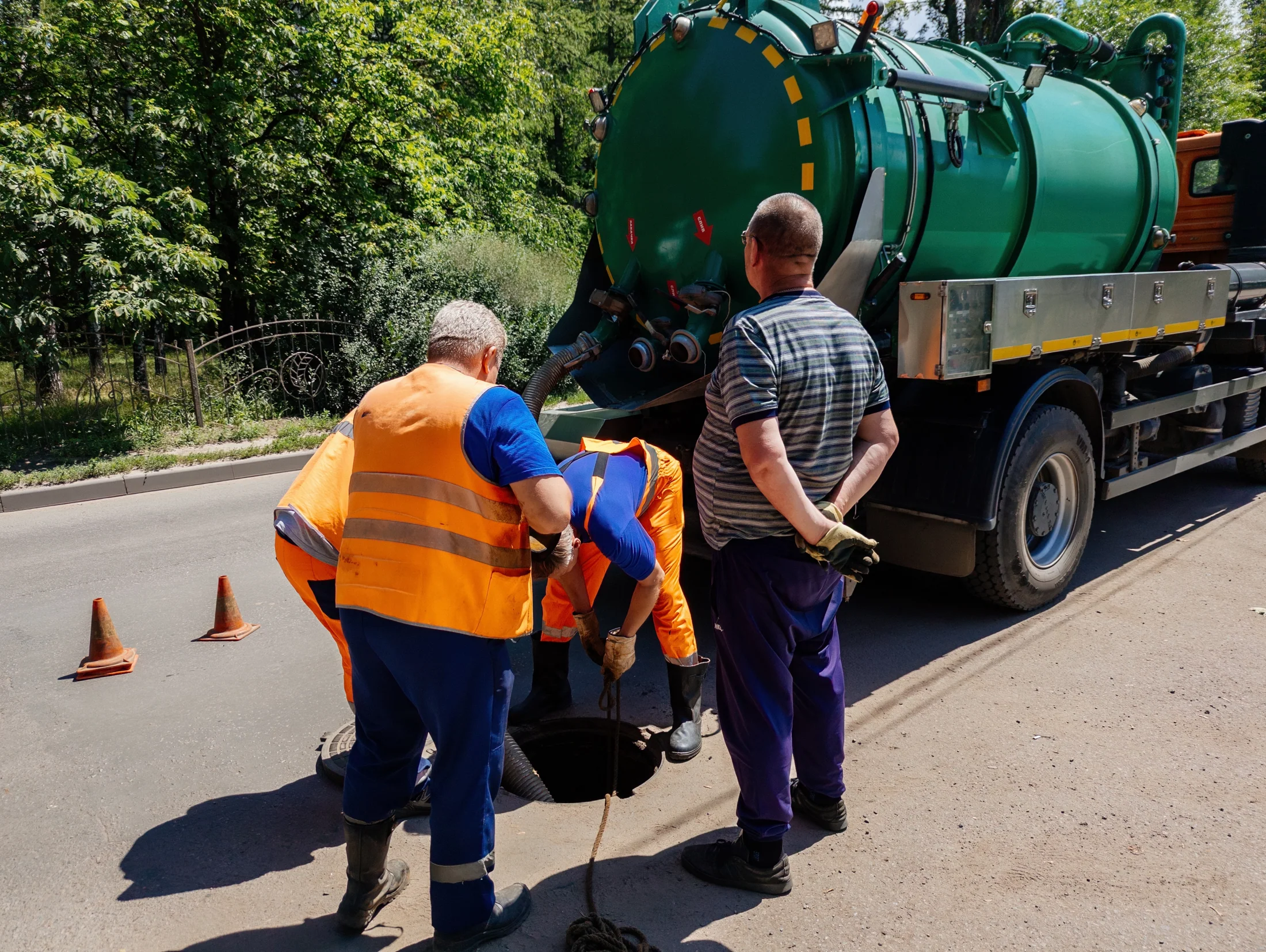
Missing service records or oil and silt readings? We can inspect the drainage and help establish a service plan.
Ask usService details
How can we help?
Complete the form and we will get back to you.
Emptying depends on condition
Oil and silt build-up, alarms, spills and manufacturer instructions affect when an interceptor needs emptying. Inspection dates alone do not determine when emptying is needed. We can inspect the asset, measure build-up and discuss the appropriate service.
Inspection reminders
GPP 3 recommends six-monthly inspection and maintenance, or the manufacturer’s instructions, with shorter intervals where required. It also recommends a separate five-year general inspection. GPP 3 provides environmental-legislation guidance for Scotland and Northern Ireland and is not Environment Agency regulatory guidance for England; elsewhere, follow the relevant regulator and manufacturer guidance. These are inspection references, not automatic emptying schedules.
When records are missing
Leave unknown dates blank. We can carry out an inspection and help establish the information needed for future reminders. Provisional dates in the tool should be reviewed against actual condition and the manufacturer’s requirements.
Cleaning the wider drainage system
Gullies, catchpits, channels, wet wells and attenuation tanks need maintenance suited to their design and use. Contact us about inspection, cleaning and waste recovery. For an active spill or pollution risk, follow site incident arrangements and the relevant regulator’s reporting guidance promptly.
Common questions
Can I contact you without completing the tool?
Missing service records or oil and silt readings? We can inspect the drainage and help establish a service plan. You can enquire directly; completing the tool is optional.
Does every interceptor need emptying every six months?
No. Six-month inspection and maintenance guidance for oil separators is not a universal emptying interval. Emptying depends on oil or silt build-up, alarms, spills and the manufacturer's instructions.
Is GPP 3 a legal requirement in England?
No. GPP 3 is guidance from NIEA and SEPA and states that it is not endorsed by the Environment Agency as regulatory guidance in England. Check the law, permits, consents, regulator guidance and manufacturer instructions that apply to the site.
Do alarms replace routine inspection?
No. An alarm indicates the condition its sensor is designed to detect. It does not replace routine inspection, maintenance or checks of the separator's condition.
What if the last inspection date is unknown?
Arrange a baseline inspection and recover the records if possible. The planner shows a provisional review date and a missing-record notice. It does not treat an unknown date as evidence that maintenance was completed.
Can this planner quote for emptying?
No. A quotation depends on the asset, access, capacity, waste to be removed and disposal requirements. Those details need to be confirmed separately.
Sources and limits
This planner creates date reminders, not a compliance certificate or a fixed emptying schedule. GPP 3 gives a six-month inspection and maintenance reference, or the manufacturer's interval, and recommends a five-year general inspection. It is NIEA/SEPA guidance and is not endorsed by the Environment Agency as regulatory guidance in England. Environment Agency guidance for England also distinguishes regular checks from condition-based emptying. Non-separator dates use your chosen review interval. Manufacturer instructions, permits, consents and inspection findings take priority.
- GPP 3: oil separators in surface water drainage systems
March 2022, section 7; NIEA/SEPA guidance
- GOV.UK: pollution prevention for businesses
England guidance on drainage and preventing pollution
- Waste duty of care code of practice
England and Wales; waste transfer responsibilities
Published by Industrial Drain Cleaning. Sources checked 13 September 2026. Editorial policy.
If a result looks wrong, please tell us so we can check the tool against its sources.
Talk to us about the work
Missing service records or oil and silt readings? We can inspect the drainage and help establish a service plan.