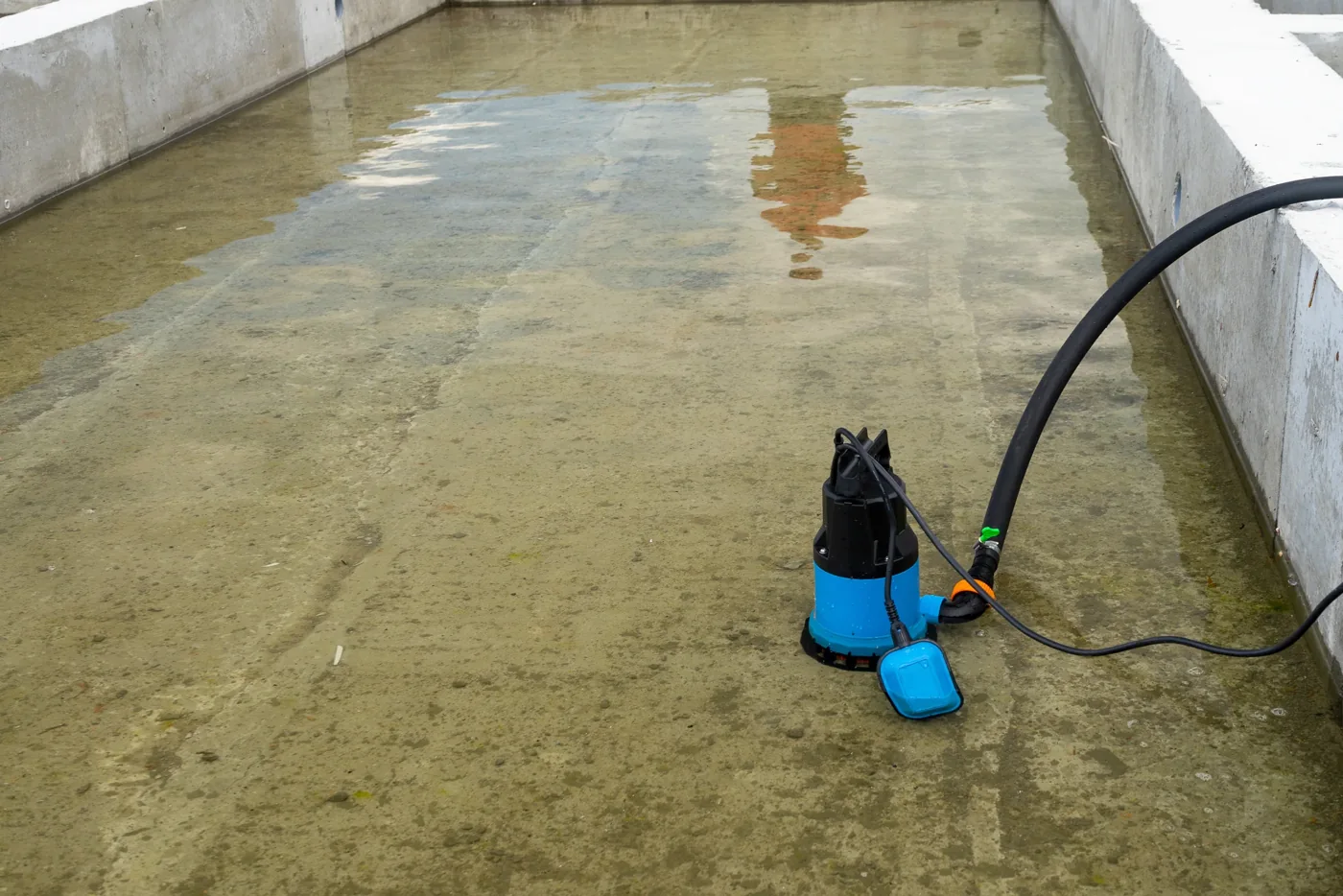
Yes, flood water can sometimes be pumped out before the underlying drainage fault has been identified. For a commercial building or yard, the first decision is whether pumping can be carried out safely and where the recovered water will go. Lowering the water level may expose gullies, chambers or equipment that could not otherwise be inspected. If water is still entering, recovery and investigation may need to proceed in stages. Pumping removes standing water, but it does not establish or repair the cause of flooding.
Describe the incident before equipment is selected
Provide the affected building or yard location, when water appeared and whether it is still entering. Note any known connection with heavy rainfall, a drainage alarm, a process spill or wastewater backing up. These are observations to investigate, not confirmed explanations.
Tell the contractor about basements, below-ground rooms and known drainage access points. Include any site information about substances the water may have contacted. A photograph of the surface cannot establish the full contents or the condition of submerged features.
Our flood water removal service can be scoped around the affected area, access and handling needs. The initial brief should also state whether drainage investigation is required once useful access becomes possible.
Assess recovery conditions and the destination together
The Environment Agency’s guidance on pumping flood water from property in England explains that external water levels affect when pumping should begin, particularly where removing water too early could contribute to damage. It also explains that pumped water must not cause flooding elsewhere and that permission may be needed. These principles inform recovery planning, but the particular building, site conditions and receiving drainage still need assessment.
For a commercial site, the proposed operation therefore needs an assessed recovery point and an appropriate destination. Moving water into the nearest gully is not a complete plan, particularly if that drainage route is involved in the incident.
Known sewage, oil or process contamination should be included in the handling assessment. The appearance of the water is not a substitute for identifying what it may contain. Ask what information is needed to agree collection, treatment or another lawful destination.
Preserve useful evidence during recovery
Keep the times and locations of observations already made from accessible areas. Record any relevant alarms and the operating conditions of connected equipment. These details can help later investigation after the visible pattern has changed.
The contractor’s report should distinguish what was observed before recovery, what became visible as levels fell and what could not be inspected. A blocked inlet exposed later may be relevant, but it should not automatically be described as the sole cause of the whole flood.
Where water continues entering, record that fact and the circumstances. A temporary reduction in level is different from a stable condition after the source has stopped. The completion record should make that distinction clear.
Define the investigation that follows
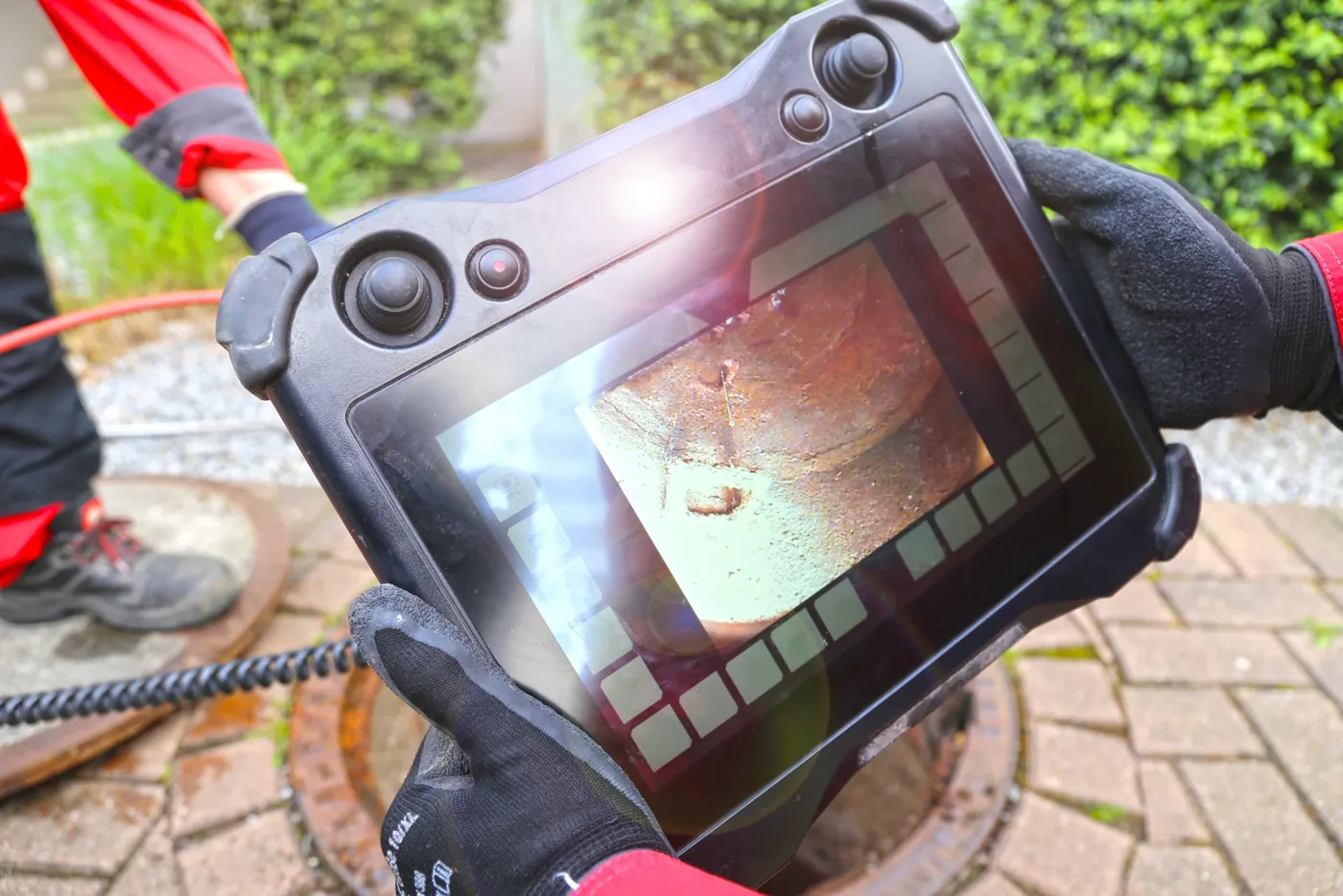
The next task may concern a restricted pipe, pump operation, a damaged connection or the wider surface-water system. Choose it from the observed evidence and known drainage layout. If a camera inspection is proposed, ask which section it will cover and whether remaining water or deposits will limit the view.
- What area was recovered and what material was removed?
- Was water still entering at the end of the attendance?
- Which cause has evidence behind it, and what remains uncertain?
- What inspection or repair is proposed next?
Keep recovery and diagnosis as separate items in the report. This allows a facilities manager to arrange urgent water removal while still retaining a clear task for the underlying drainage problem. A usable floor or yard is an immediate outcome; the remaining cause needs its own evidence.