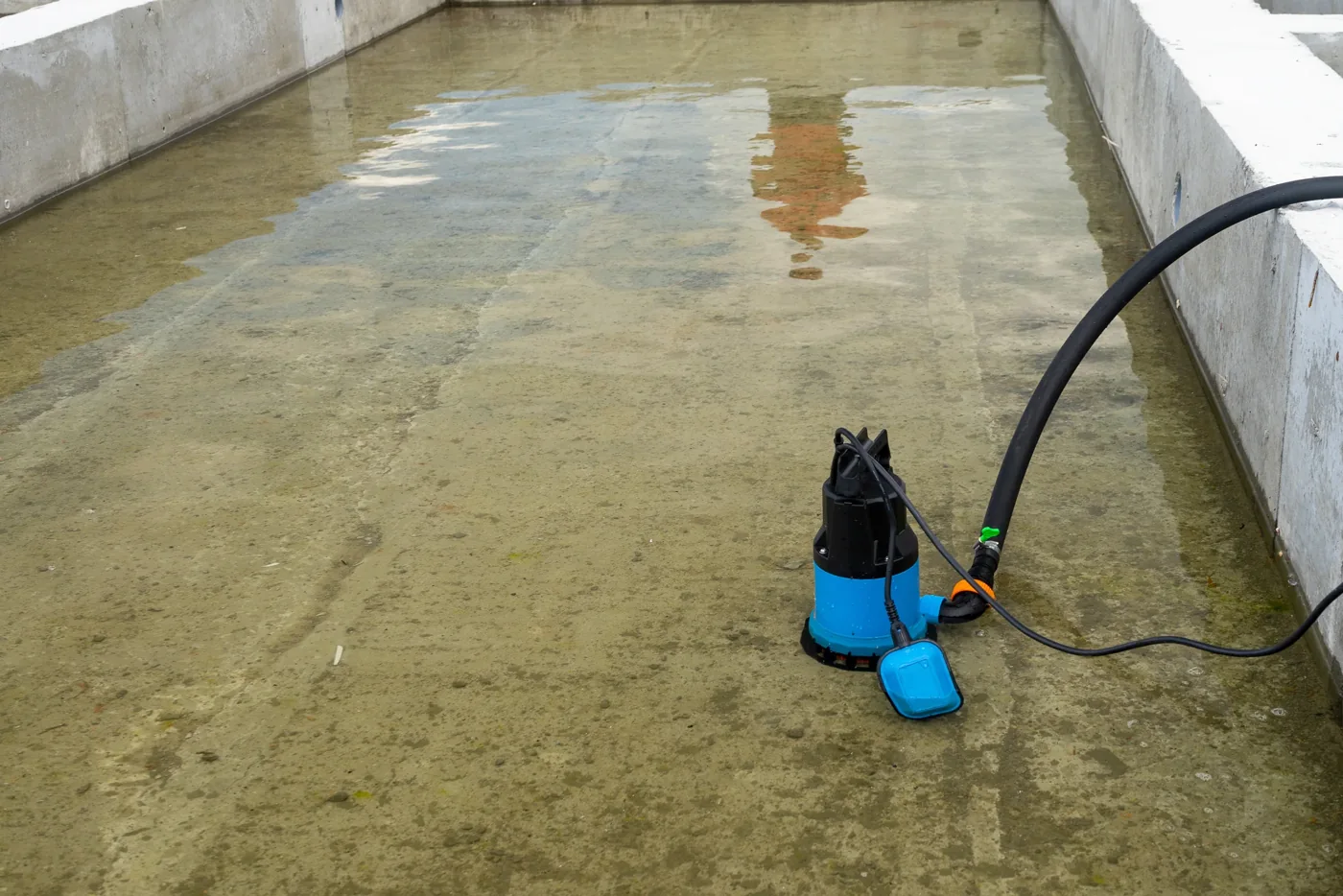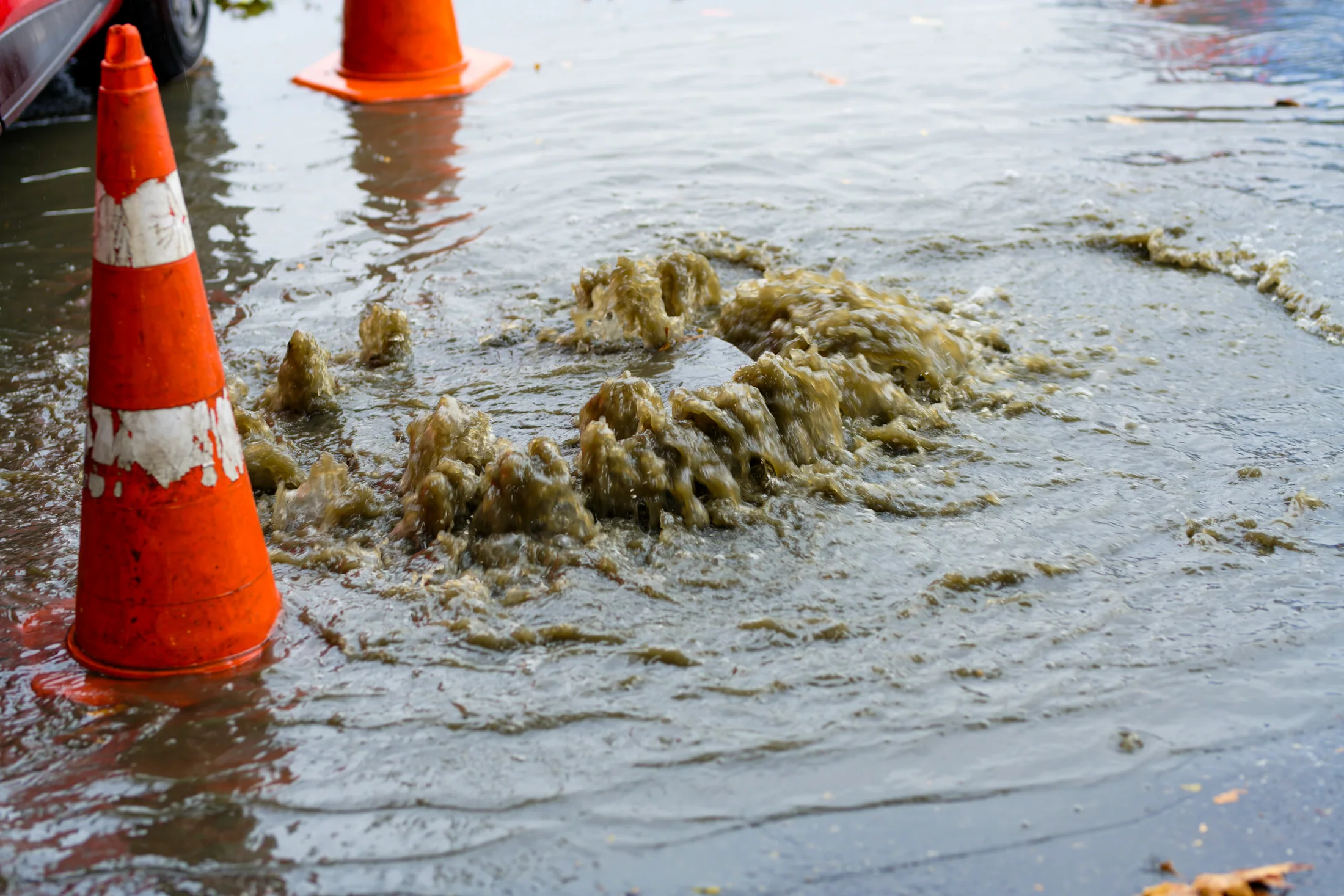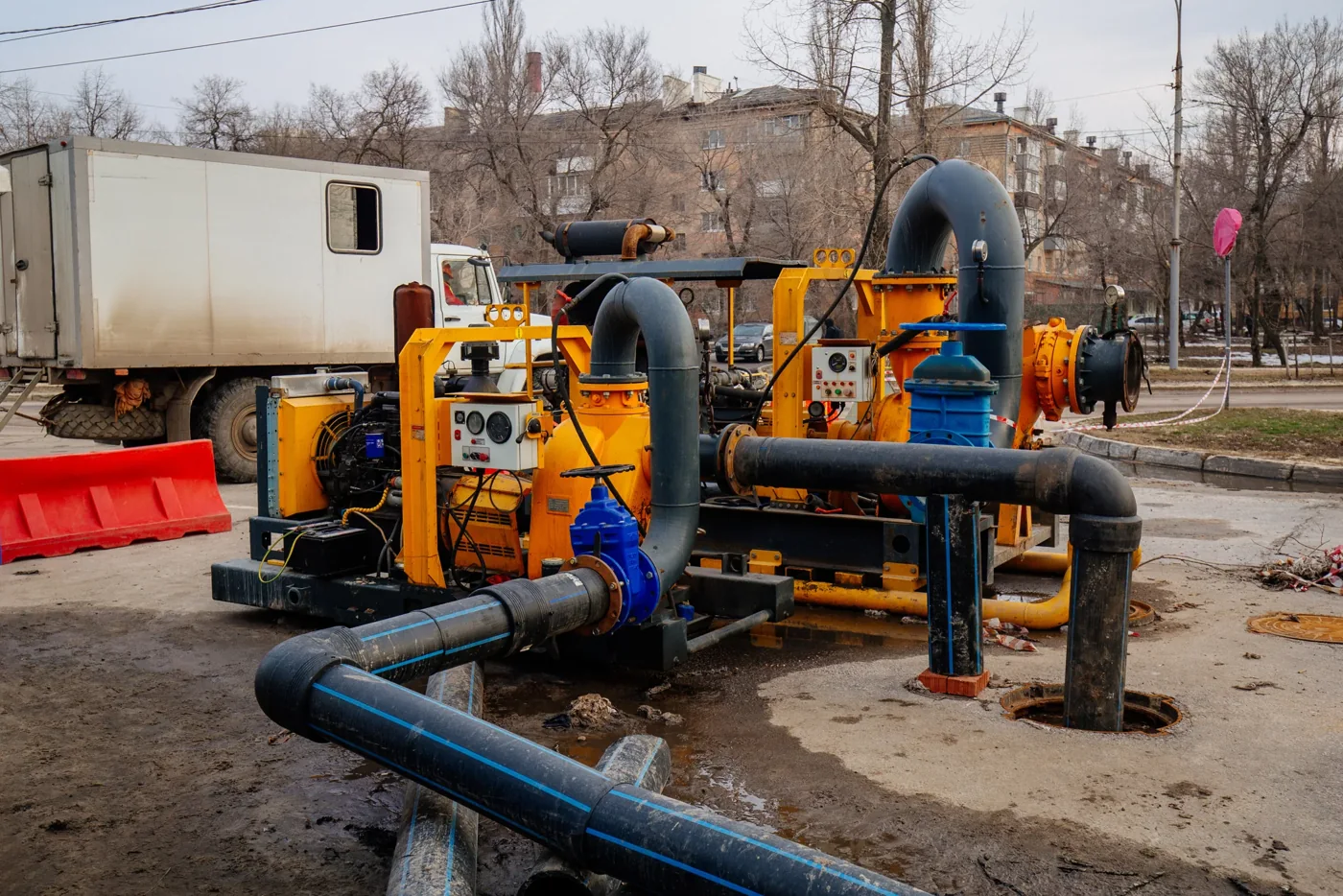
Some construction silt water may be suitable for treatment and reuse on site, but that decision depends on its contents, intended use and the applicable permissions. Water that looks clearer after settlement is not automatically suitable. Concrete, grout and other contamination can change the available options.
Identify the source before selecting a destination
Keep water from different activities identifiable where practicable. An excavation collecting rainfall is different from a washout area or a location affected by a fuel spill. If streams have already mixed, describe the mixture rather than treating it as ordinary silty water.
Record the activity producing it, approximate quantity, storage arrangement and any known contaminants. Include site investigation information where relevant. The person assessing treatment or removal needs to know what the water contacted, not just whether it contains visible grit.
For construction site drainage services, this information helps define a collection and handling scope. Any sampling or analysis requirement should relate to the proposed destination and the uncertainty about the material.
Understand the limits of the construction-water position
In England, Environment Agency RPS 235 describes a conditional enforcement position for storing, treating and using construction wastewater containing suspended solids. It does not remove the legal permit requirement. Its current scope excludes suspended concrete and grout.
Under RPS 235, no more than 30 cubic metres of qualifying water may be stored at any one location on the construction site at any time. Secure storage in a tank, engineered lagoon or leakproof skip must maintain freeboard equal to at least 10% of its capacity. Under this position, treatment can include filtration, settlement, physical dewatering and products used to solidify water containing suspended solids. Other chemicals and flocculants are not permitted. The position also excludes water from excavations known or suspected to be contaminated by oil, metals, hydrocarbons, solvents, pesticides or other pollutants.
The site must follow a pollution-control method statement and retain compliance records for two years after its last use of the RPS. Location restrictions also apply, including separation distances from watercourses and designated conservation sites. These conditions affect whether on-site treatment is practical.
Keep concrete and grout washout water separate from ordinary silty excavation water. If concrete or grout is suspended in the collected water, RPS 235 cannot be relied upon for its treatment and use. Establish a suitable alternative handling arrangement based on the water’s actual contents.
Compare workable options for this site
For a treatment and reuse proposal, identify who will operate the equipment, where it will sit and the task that will use the treated water. RPS 235 restricts qualifying reuse to washing equipment, preparing construction materials such as cement or mortar, and dust suppression. Dust suppression has additional restrictions near protected groundwater abstractions and must not cause ponding or runoff. There must also be suitable storage and a practical match between water production and demand.
Ask what will happen to separated solids and any water that cannot be reused. These are part of the handling plan, not incidental leftovers. Compare the complete arrangement with off-site collection, including the space and time each option needs.
A site producing water intermittently may face a different decision from one with a continuous stream. Provide the expected pattern so the assessment does not rely only on the volume present during a single visit.
Keep reuse, discharge and removal distinct
Reuse does not mean unrestricted discharge. RPS 235 distinguishes using water on site from a lawful discharge or transport for treatment and disposal. It identifies consent for foul-sewer discharge and separate environmental requirements for discharges to surface water or ground.
If tanker removal is proposed, ask what information the receiving facility needs before acceptance and how the liquid and separated solids will be described. Do not assume that any destination accepting general waste can accept the collected water.
Keep the assessment, agreed destination and collection records together. The useful choice is one that fits the identified material and site conditions, with a clear arrangement for all outputs. A comparison based only on tanker capacity or the appearance of settled water leaves essential questions unanswered.