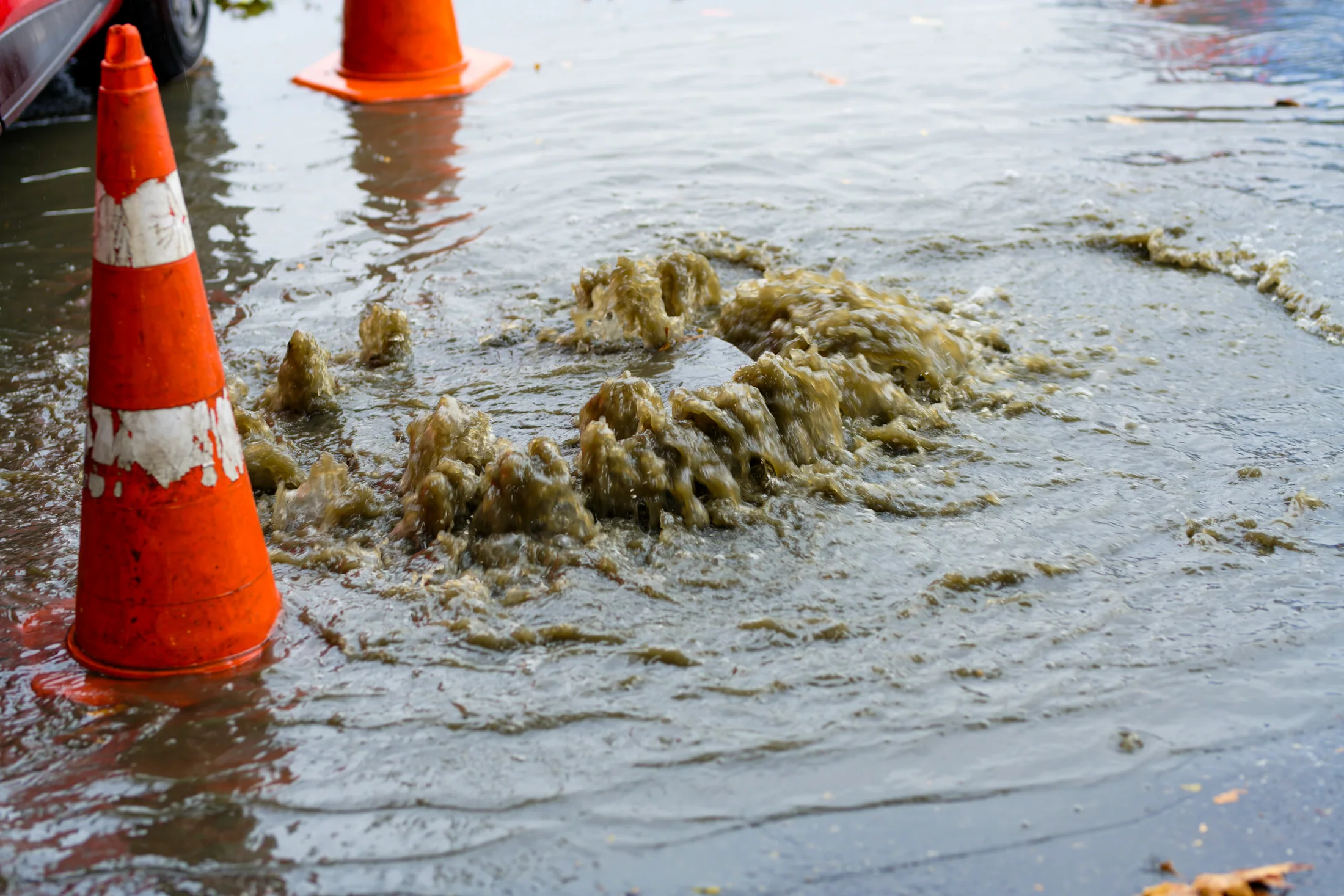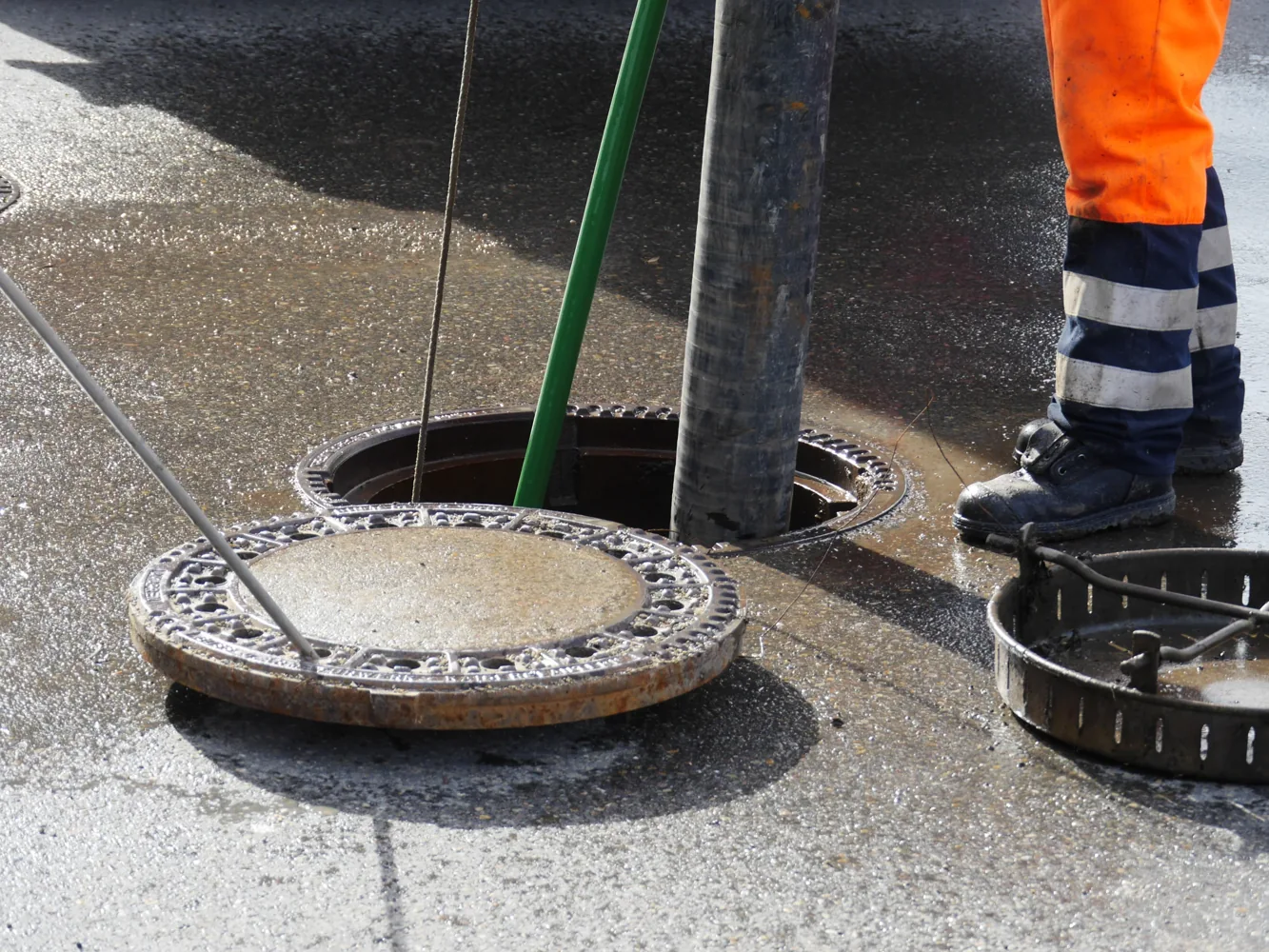
A factory drain can block again after jetting because more material is entering the pipe, deposits remain elsewhere in the run, or a defect is restricting flow. Restored flow confirms that water could pass through the treated section at the time of the check. It does not establish whether the original deposits have been fully removed, new material is entering the drain or a downstream restriction remains.
Compare the two incidents before choosing another clean
Record where the problem appeared, which production areas were operating and how long the drain worked normally after the previous visit. A repeat problem during a particular washdown cycle is different from one that occurs throughout the working day. The distinction gives the investigation a specific question to answer.
Check the previous job record for the section treated, access points used and material recovered. “Factory drains cleared” is too broad to establish whether the same branch is involved. Where there is no reliable pipe plan, uncertainty about the route should remain visible in the brief.
Our factory and manufacturing drainage service covers the production-site context. For a recurring problem, include the earlier findings so the proposed work can address the affected section and its connected processes.
Separate new deposits from material left behind
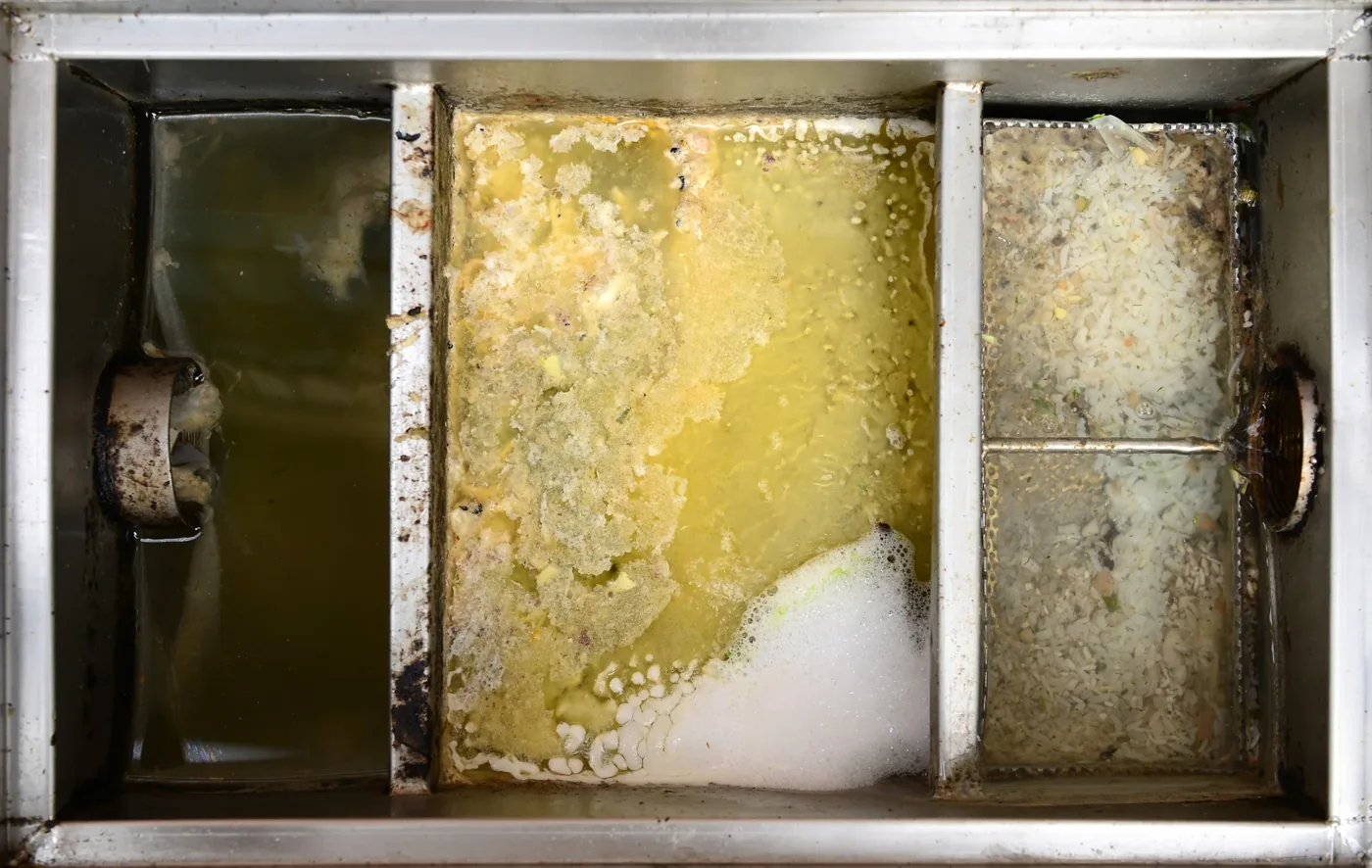
A drain receiving continuing process residue may develop another restriction even after an effective clean. Compare the recovered material with what the connected production area handles. Food solids, grit and fibrous waste point to different questions about collection and discharge arrangements.
This comparison is an investigation aid, not proof of the source. Similar-looking material can come from several branches. Ask the contractor to distinguish observations from assumptions and identify any section that could not be reached or checked.
The Environment Agency’s pollution-prevention guidance explains that fats, oils, grease and solid items can block drains. It also asks businesses to consider reducing contaminated water at source. Where a process continually introduces the same material, the maintenance discussion should include that input.
Consider whether the pipe needs investigation
Cleaning removes accessible deposits; it does not repair displaced joints or change the gradient of a pipe. If the blockage returns at a consistent position, the useful question is whether the cleaned run can be inspected well enough to identify a local cause.
A camera survey should have a defined purpose, such as examining the recurring restriction or checking a previously obscured section. The report needs to state where the camera travelled and where water or remaining material prevented a useful view. An incomplete view should not be treated as evidence that the whole run is sound.
A restriction farther downstream can affect several upstream outlets. Industrial drain jetting may restore flow at an individual gully without clearing the common pipe receiving discharge from those outlets. Give the investigator the locations of all affected outlets, including any that continue to drain normally.
Agree what the next attendance should establish
- Which branch or length requires cleaning or inspection?
- What material was found and where was it recovered?
- Was flow checked during representative site activity, and which outlets or branches were included?
- Which findings remain unresolved and what evidence would resolve them?
Keep these answers with the production conditions and dates. A useful maintenance record connects the work to the actual recurrence pattern. It can support a change in cleaning scope, a targeted investigation or a review of how residue reaches the drainage system.