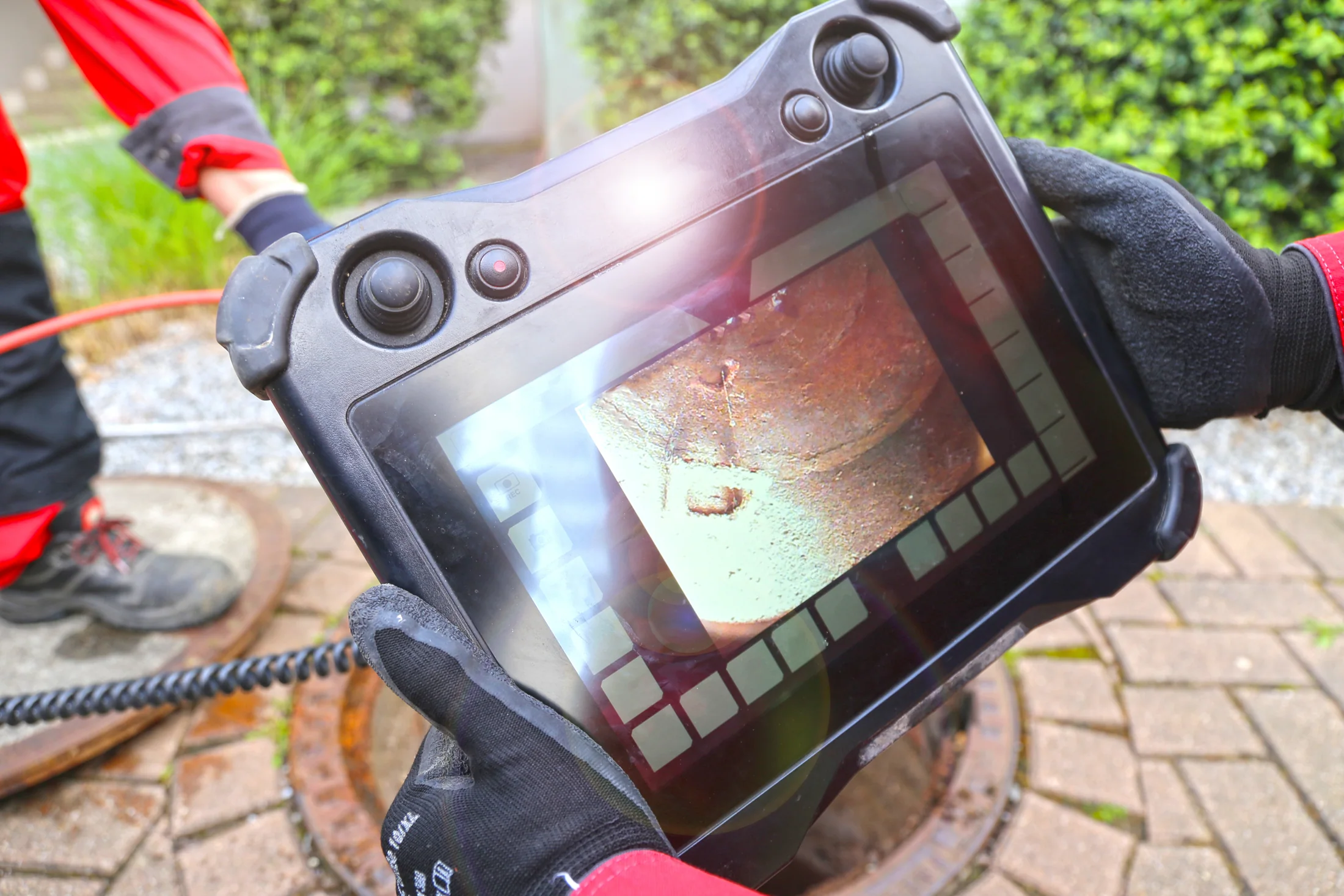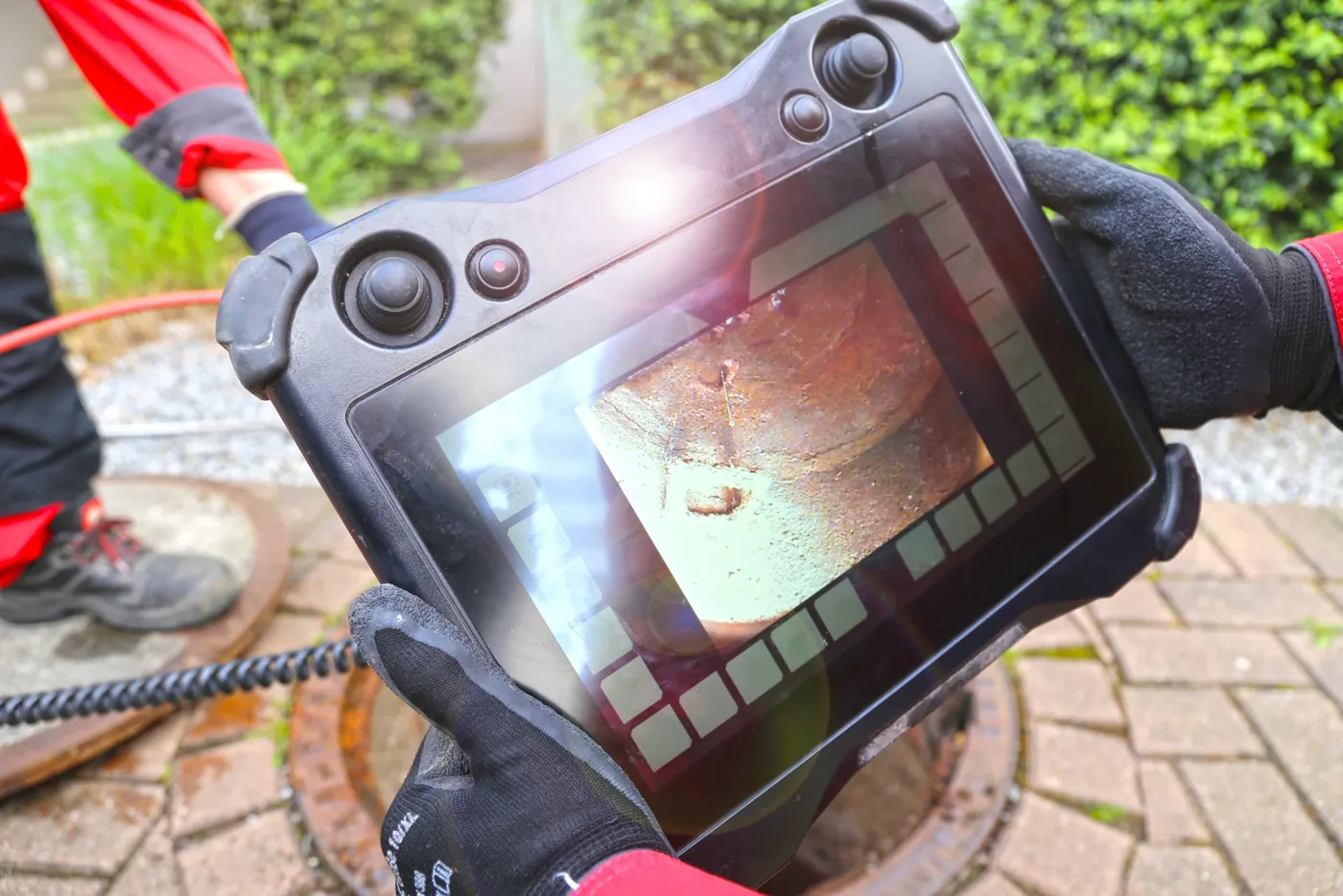
A conventional drain camera can record only the pipe surfaces that it can see clearly. Standing water, suspended material and sediment can hide defects, even when the camera travels through the run. A completed camera journey therefore does not necessarily mean that the whole internal surface has been inspected.
Distinguish access from visibility
There are two useful questions when commissioning a survey: can the equipment reach the section, and can it produce a view good enough to answer the inspection question? A camera may reach the far chamber while leaving the lower part of the pipe obscured by water.
That distinction matters when the concern is a recurring blockage or a suspected defect at the bottom of the run. A clear view of the upper wall cannot establish the condition of the covered area. The report should describe the limitation rather than treating the unseen surface as satisfactory.
The Environment Agency’s drainage maintenance guidance identifies CCTV surveys as a way to investigate maintenance and repair needs, alongside cleaning methods such as jetting. However, a conventional camera cannot confirm a defect on a pipe surface that remains hidden beneath opaque water or sediment. The important distinction is between recording the accessible pipe and obtaining a sufficiently clear view of the area being assessed.
Decide whether preparation would improve the answer
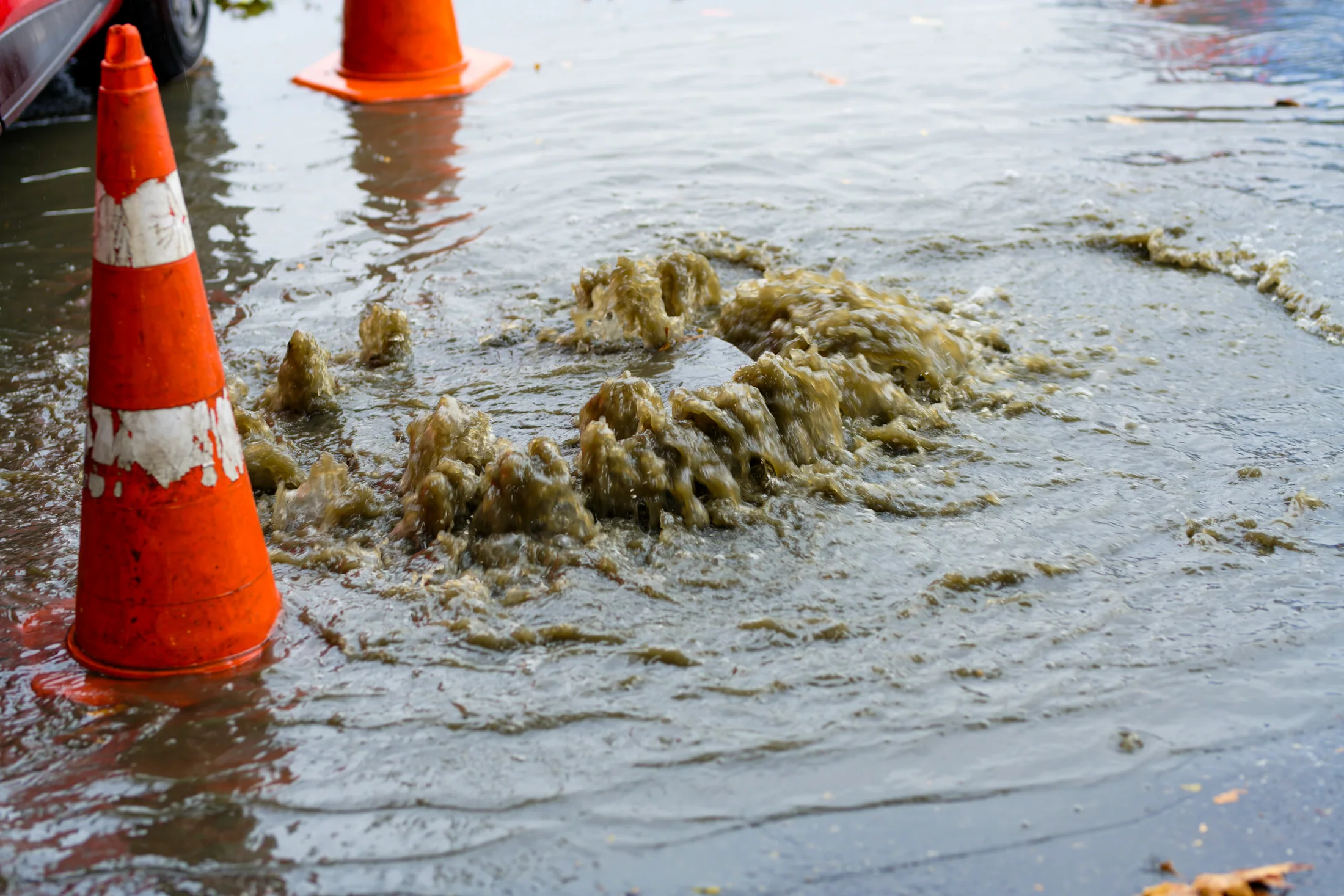
Water and sediment are different obstacles. Removing settled deposits may reveal a covered pipe surface, but it will not necessarily lower the water level. Where standing water conceals the section being investigated, ask whether temporary pumping or another agreed flow-control arrangement could expose it for inspection. A downstream restriction may also need investigation before visibility improves. Cleaning, pumping and camera inspection should therefore be specified as separate tasks where necessary. The appropriate sequence depends on the connected system, available access and the purpose of the survey.
For a commercial CCTV drain survey, provide any existing report showing water levels or abandoned sections. Ask whether preparatory cleaning or other arrangements are included, and what will happen if useful visibility cannot be achieved.
A quotation that includes a survey but leaves preparation undefined may not answer the same question as one that includes agreed cleaning and a return inspection. Compare the proposed coverage and deliverables before comparing the headline prices.
Describe the question the survey must resolve
“Check the drains” gives little basis for judging whether the result is complete. More useful objectives include inspecting a particular recurring blockage position, checking an accessible joint, or examining a section hidden during an earlier visit.
Record the relevant chamber references and the direction of the proposed inspection. If the drainage layout is uncertain, say so. The surveyor may need to establish the connected route before relating a visible feature to a building or surface location.
Do not assume that every camera system measures pipe gradient, wall thickness or the surrounding ground. Ask for the actual capabilities included in the proposed inspection. Those measurements answer different questions from a visual record of the inside surface.
Read the limits alongside the findings
- Which sections were inspected, and from which access points?
- Where did water, deposits or access prevent a useful view?
- Which observations have a location and supporting image?
- What further work is needed to inspect the remaining area?
These details let a property or facilities manager separate confirmed observations from unresolved areas. For example, an obstruction recorded at one location does not establish the condition of the pipe beyond it.
If preparation and a second inspection are proposed, ask what improvement they are expected to provide and how the result will be recorded. The useful outcome is evidence that supports the intended maintenance or repair decision, with the remaining limits clearly identified.