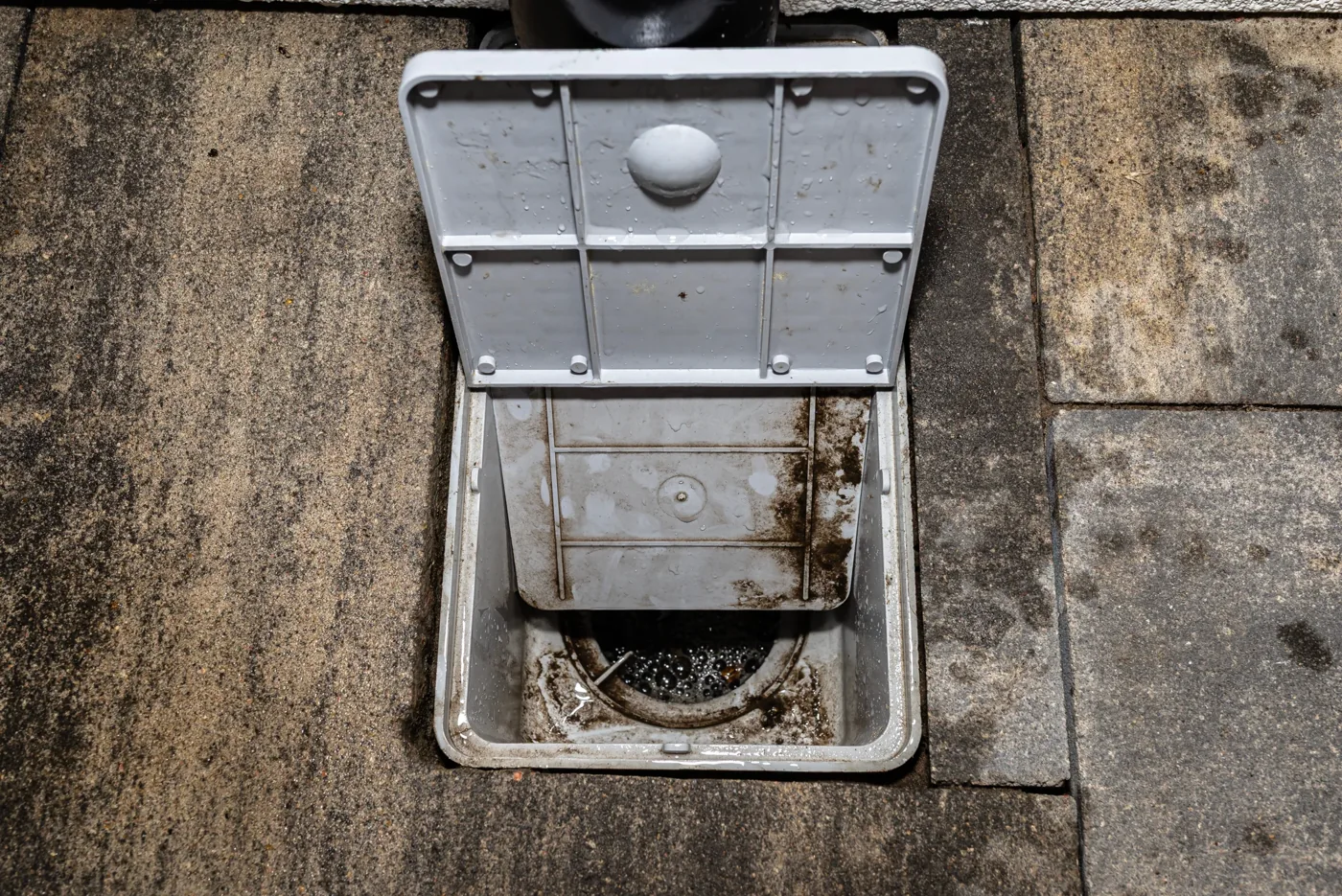
A petrol interceptor alarm after cleaning may relate to a condition still present in the separator, its return-to-service condition, or a fault in the alarm system. The first distinction is what the particular alarm measures. An oil-level signal and a general fault indication do not establish the same problem.
Identify the signal and its timing
Keep the wording or code shown on the panel and the time it appeared. Note whether it stayed active throughout the visit, cleared and returned, or began when the interceptor went back into use. Include any recent spill or unusual activity in the area that drains into it.
Do not describe the event simply as “the tank is full” unless that has been established. The separator’s contents, the position of its sensing equipment and the panel indication are separate observations. A clear account helps the attending contractor decide which checks are needed.
The Environment Agency’s pollution-prevention guidance advises emptying and servicing a separator when an alarm activates. It also states that the separator must be refilled with clean water before returning to use. Check whether the service record confirms that refill, rather than assuming that removing the waste completed the job.
Check what the cleaning visit actually covered
Ask for the asset identifier, the compartments attended and the recorded condition of accessible components. A site may have several separators, silt traps or linked chambers. The alarm and the cleaning record must refer to the same asset.
Where the report records removal of oil and sediment, it should also identify any part that could not be accessed or assessed. A waste collection record establishes what was taken away; it does not demonstrate that every sensing or electrical component was tested.
For petrol interceptor cleaning, send the previous service record with the alarm details. This allows the follow-up scope to distinguish an incomplete maintenance task from a separate investigation of the alarm equipment.
Consider loading after the service
A cleaned interceptor can receive new contamination. Compare the alarm time with vehicle movements, fuel handling and any recorded spill, without assuming that a particular activity caused the signal. The drainage layout matters because an incident elsewhere may feed the same asset.
If the alarm returned before normal operations resumed, tell the contractor that too. It changes the sequence of events they need to investigate. Timing is useful evidence, although it cannot identify a failed component by itself.
Keep photographs or observations made during the service alongside the report. A later inspection can then compare the condition found with the earlier record, rather than relying on recollection that the interceptor was “recently done”.
Separate cleaning findings from alarm findings
The follow-up record should answer two questions: what condition was found in the separator, and what the alarm system indicated under the checks performed. Check whether the alarm probe was inspected, cleaned where appropriate and correctly positioned after servicing. Confirm whether the separator was refilled to its required operating level before the alarm was checked. The checks must reflect the installed equipment and its instructions. If a probe, cable or controller needs specialist assessment, identify that as a separate task.
A signal disappearing is not sufficient evidence of a completed repair. Ask what was checked, what changed and whether the normal monitoring function was demonstrated. Any unresolved condition should remain in the handover record with a named follow-up task.
For planning future visits, use confirmed loading and maintenance findings rather than repeatedly shortening the interval because an unexplained signal returned. Our article on interceptor emptying frequency addresses the separate question of maintenance timing.