

Industrial drain cleaning on construction sites deals with temporary and permanent drainage affected by silt, debris, washings and changing site activity. We clean defined drainage sections and recover the material released, while keeping the result separate from structural acceptance or permission to discharge site water.
Industrial Drain Cleaning for Construction
Construction industrial drain cleaning for temporary and permanent drainage affected by silt, debris, site water and ongoing works.
HomeIndustrial Drain Cleaning for ConstructionIndustrial Drain Cleaning for Construction enquiry
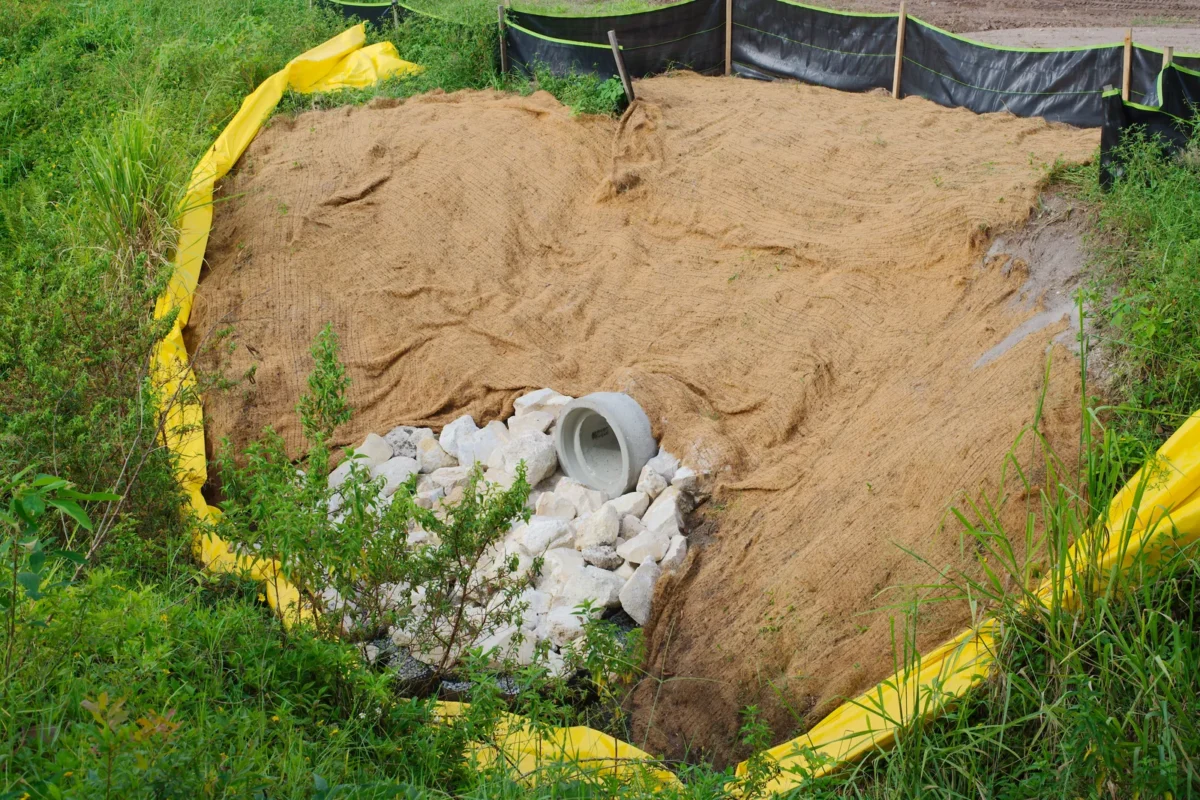
Construction sediment
Silt, debris and washings can affect temporary and permanent drainage in different ways.
Ongoing site activity
Upstream work and sediment controls matter because a cleaned drain can quickly become loaded again.
Water discharge
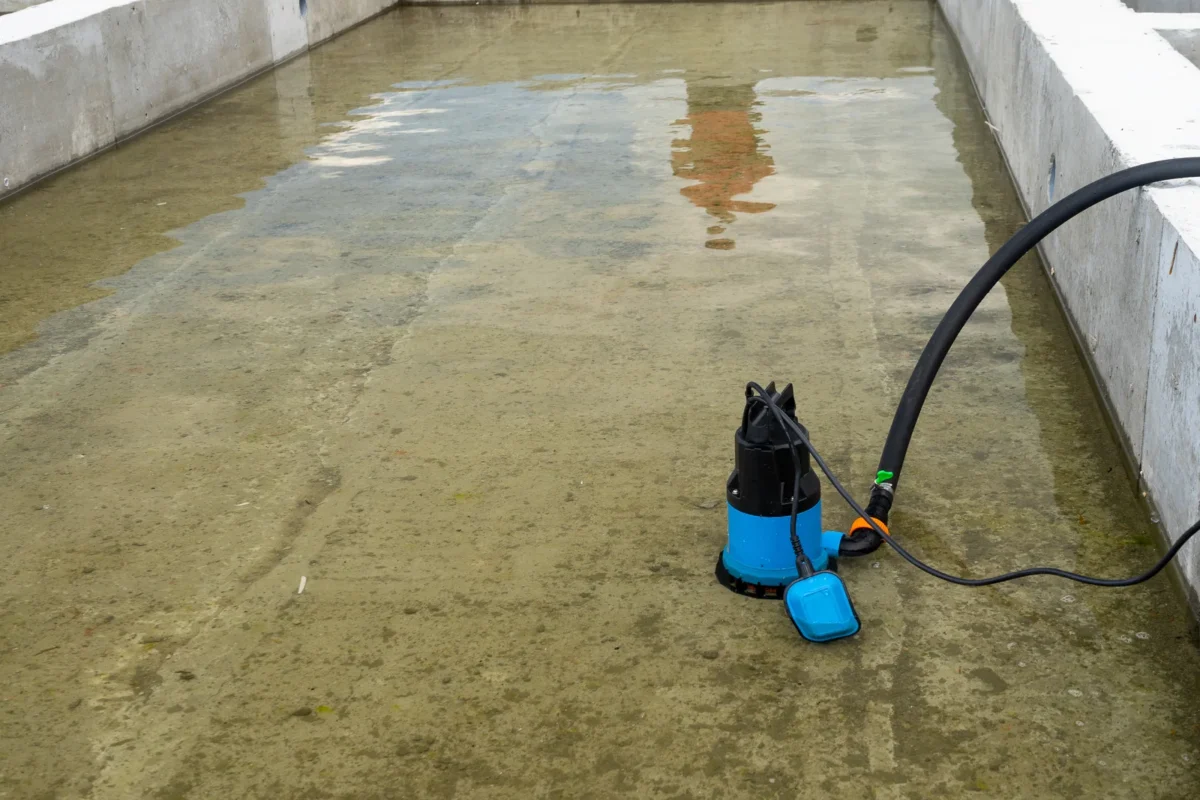
Pumped or recovered site water needs a receiving route suited to its actual source and contamination.
Silt, debris and new drainage
Construction runoff can leave mineral sediment along pipes and in gullies, while mortar or concrete debris can create harder local restrictions. Passing water through a drain does not prove the pipe is clean. Where CCTV inspection is needed, deposits may have to be removed first so the camera can show the pipe wall.
Construction activity around the drainage
Cleaning is coordinated with current groundworks, vehicle movements and any upstream activity still producing sediment. Inlet protection or settlement measures may be needed to reduce immediate reloading. Concrete washout and other contaminated site water need controlled arrangements rather than being put into a nearby gully or surface-water drain by assumption.
Discuss construction drainage work
Complete the form and we will get back to you.
Water discharge and RPS 261
In England, the linked Environment Agency RPS 261 applies only to qualifying temporary discharges of uncontaminated excavation water to surface water. It does not remove the legal requirement for a water-discharge activity permit. Where all RPS conditions are met, the Environment Agency states that it will not normally take enforcement action for that permit breach. It does not cover contaminated water, discharge to ground or groundwater, or another activity.
Cleaning before inspection or handover
We identify the drainage length cleaned and any deposit, obstruction or damage that remains visible. Cleaning can prepare a drain for survey, but it does not by itself prove structural condition or compliance with a project acceptance requirement.
Industrial Drain Cleaning for Construction: common questions
Does water passing through prove a new drain is clean?
No. A narrow flow path can remain above settled sediment or around debris that still needs removal.
Can concrete wash water be put into a site gully?
Not by assumption. Concrete washout needs a controlled arrangement appropriate to the water and its destination.
Is RPS 261 a permit exemption for construction water?
No. In England it is a limited Environment Agency enforcement position for qualifying uncontaminated excavation-water discharges to surface water, and the legal permit requirement remains.
Can ongoing construction refill a cleaned drain with silt?
Yes. Continued sediment input can quickly undo cleaning if upstream controls are ineffective or the site layout changes.