

Wet waste disposal starts with identifying the material before it is collected. We arrange recovery and an appropriate receiving route for assessed liquids and sludge. Sewage, oily water and industrial washings can look similar while needing different handling, so appearance alone is not a reliable basis for accepting a tanker load.
Wet Waste Disposal
Wet waste disposal for assessed liquids and sludge, with classification, collection and receiving arrangements based on the actual contents.
HomeWet Waste DisposalWet Waste Disposal enquiry
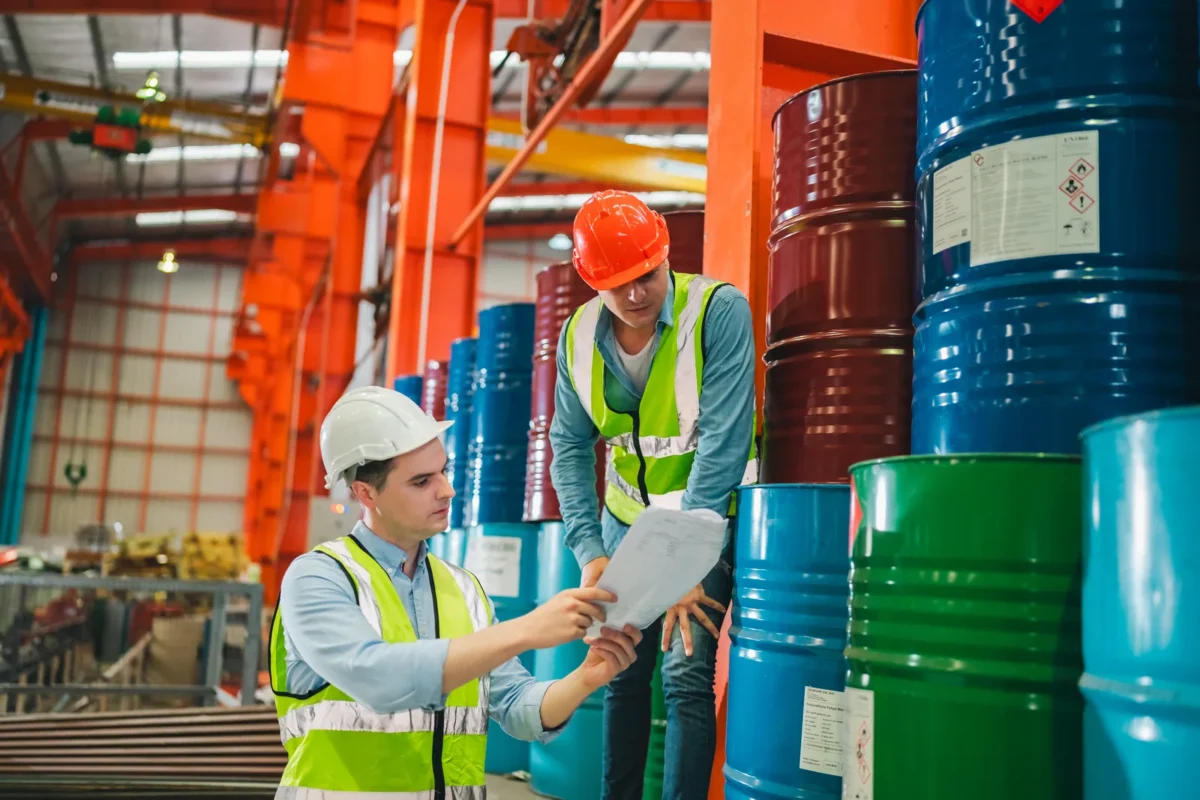
Waste identity and facility acceptance
The source process, previous contents and any analysis help establish the composition and relevant classification.
Collection, containment and acceptance
Collection is planned around safe access, material consistency and containment during transfer.
Waste identity and facility acceptance
The source process, previous contents and any analysis help establish the composition and relevant classification. Hazardous properties can change the documentation and receiving options. Settled solids matter as well as the liquid above them. We confirm that the carrier and destination can handle the actual material rather than relying on an imprecise description such as dirty water.
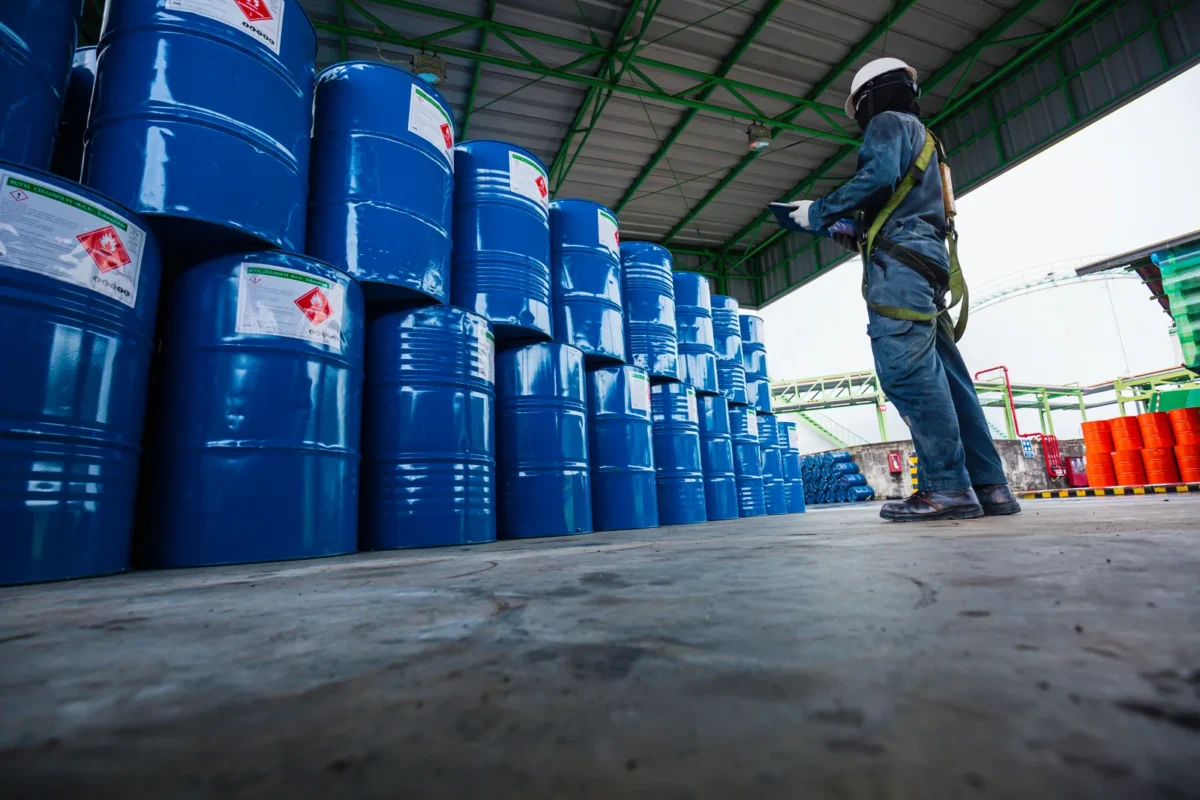
Discuss wet waste disposal
Complete the form and we will get back to you.
Collection, containment and acceptance
Collection is planned around safe access, material consistency and containment during transfer. Unknown chemicals and separate waste streams are not combined for convenience. Carrier registration and the receiving site’s authority to accept a particular waste are separate matters, so the destination must be suitable for the actual load.
Waste documentation and remaining material
The disposal trail identifies the material collected, its destination and the applicable waste documentation. A tanker attendance receipt on its own is not evidence that every disposal requirement has been met. Any residue left because of access or consistency is stated so further collection or cleaning can be considered.
Waste descriptions should reflect the process as it operates now. A changed cleaning chemical, spill or different production residue can alter a familiar liquid or sludge, so an earlier classification should not simply be reused without checking that the waste is still the same.
Wet Waste Disposal: common questions
Is all wastewater non-hazardous?
No. Composition and hazardous properties determine the classification.
Can different wet wastes be mixed for convenience?
Mixing requires appropriate compatibility, classification and receiving arrangements; convenience is not enough.
Does a tanker receipt alone prove suitable disposal?
The destination and applicable waste documents must also be established.
Can a process change affect disposal arrangements?
Yes. A different chemical or contamination source can alter classification and facility acceptance.
Should acceptance be agreed before collection?
Yes. The receiving facility must be appropriate for the actual load.