

Drainage for facilities management brings cleaning and investigation together around the way a site is operated. We work with the facilities team to locate current faults and compare earlier findings using consistent chamber, stack and pipe references.
Drainage for Facilities Management
Drainage for facilities management, combining cleaning and investigation with consistent drainage references and maintenance decisions.
HomeDrainage for Facilities ManagementDrainage for Facilities Management enquiry
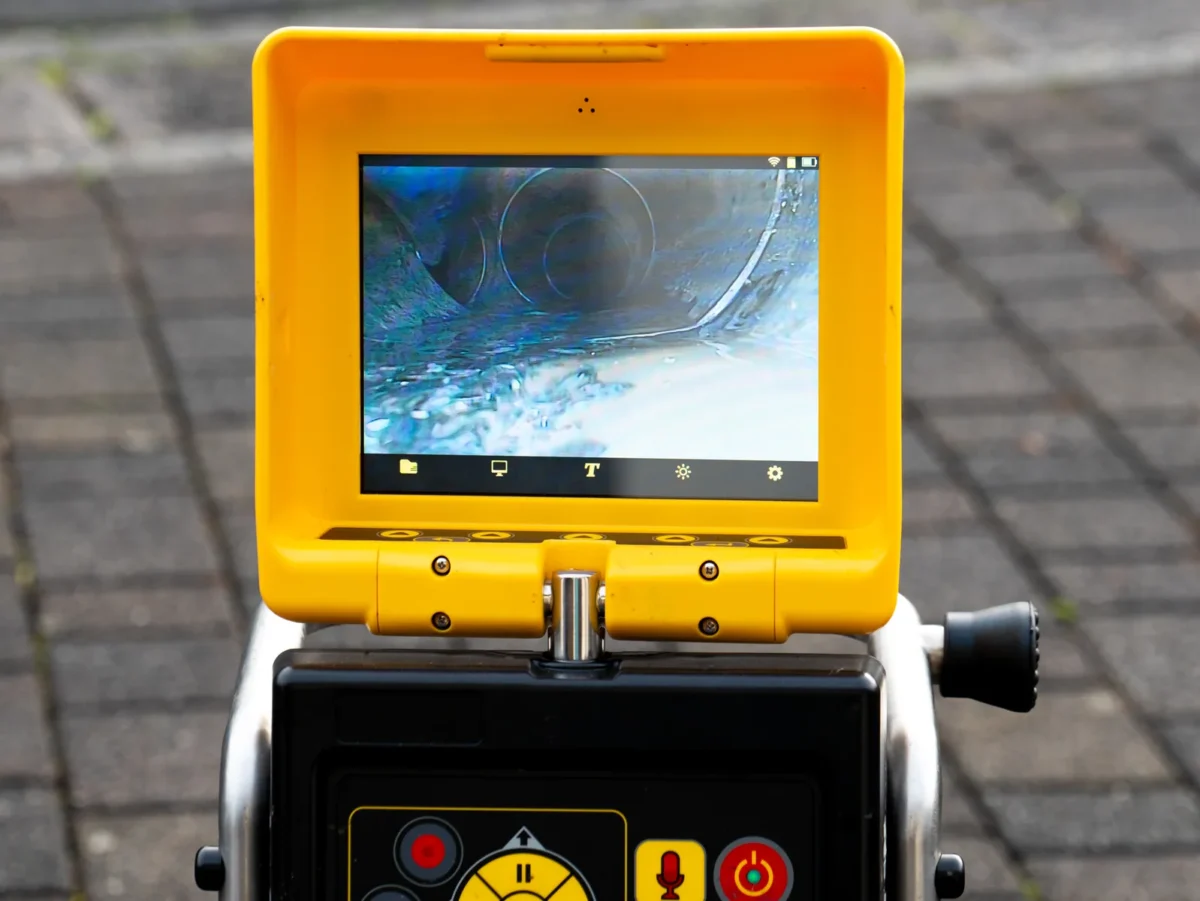
Location references and drainage decisions
A restriction can produce symptoms away from the affected pipe, particularly where several occupiers share a run.
Working around site operations
Access and temporary restrictions are planned with the people responsible for the premises.
Location references and drainage decisions
A restriction can produce symptoms away from the affected pipe, particularly where several occupiers share a run. We use the current drainage layout and agreed references to connect those reports. Pump alarms, silted tanks and greasy pipes need different follow-up. Cleaning, condition surveys and mechanical servicing are identified as separate tasks with clear purposes.
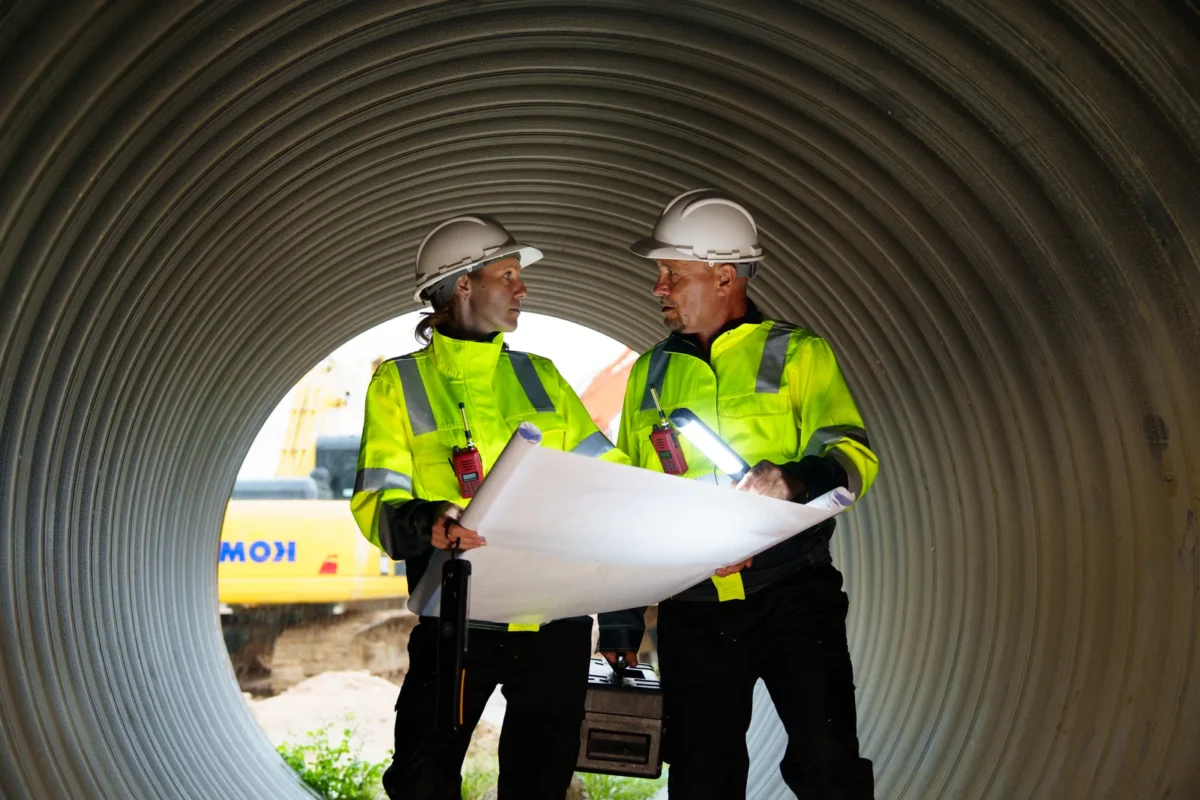
Discuss drainage for facilities management
Complete the form and we will get back to you.
Working around site operations
Access and temporary restrictions are planned with the people responsible for the premises. Open covers, hoses and equipment are separated from occupants and traffic, and recovered material is assessed before disposal. Where several contractors work on the drainage, their reports need to identify the actual asset and location attended.
Using findings to decide the next action
We identify what was cleaned or inspected and what remains unresolved. Not every blockage calls for a whole-site survey, but a fault that keeps returning should not be dismissed simply because flow was restored on the last visit. The next action should answer the specific remaining question.
Changes in occupancy or production can alter the load on established drainage. Comparing those changes with the deposits being found helps facilities teams decide where preventive cleaning remains appropriate and where a defect or altered connection needs a different response.
Drainage for Facilities Management: common questions
What should be in the drainage completion record?
The result should identify locations, completed work, findings and unresolved restrictions.
Is every blockage a reason for a whole-site survey?
No. The investigation should follow the actual symptoms and history.
How can several contractors keep drainage records consistent?
Use the same drainage drawing and physical location references across reports.
Can several departments be affected by one fault?
Yes. Shared downstream drainage can connect apparently separate complaints.
Should changes in occupancy be considered?
Yes. They can change drainage loading and the maintenance needed.