CCTV Drainage Fault Investigation

CCTV drainage fault investigation uses a view of accessible pipe interiors to help explain a recurring drainage problem. The useful question is not just what appears on the footage, but how the finding relates to the reported fault, the inspected run and the work already carried out.

HomeCCTV Drainage Fault Investigation

CCTV Drainage Fault Investigation enquiry

Define the fault before selecting the runs

A recurring blockage, an unexplained high level and a suspected damaged pipe do not necessarily call for the same investigation. The location, timing and circumstances of the fault help identify the relevant connections and chambers. Previous cleaning and repair records provide additional context.

A site drawing can show the intended route, while observations identify where the problem has actually appeared. Differences between the two are useful questions for the investigation. The scope should identify which runs are to be examined and the decision the evidence needs to support.
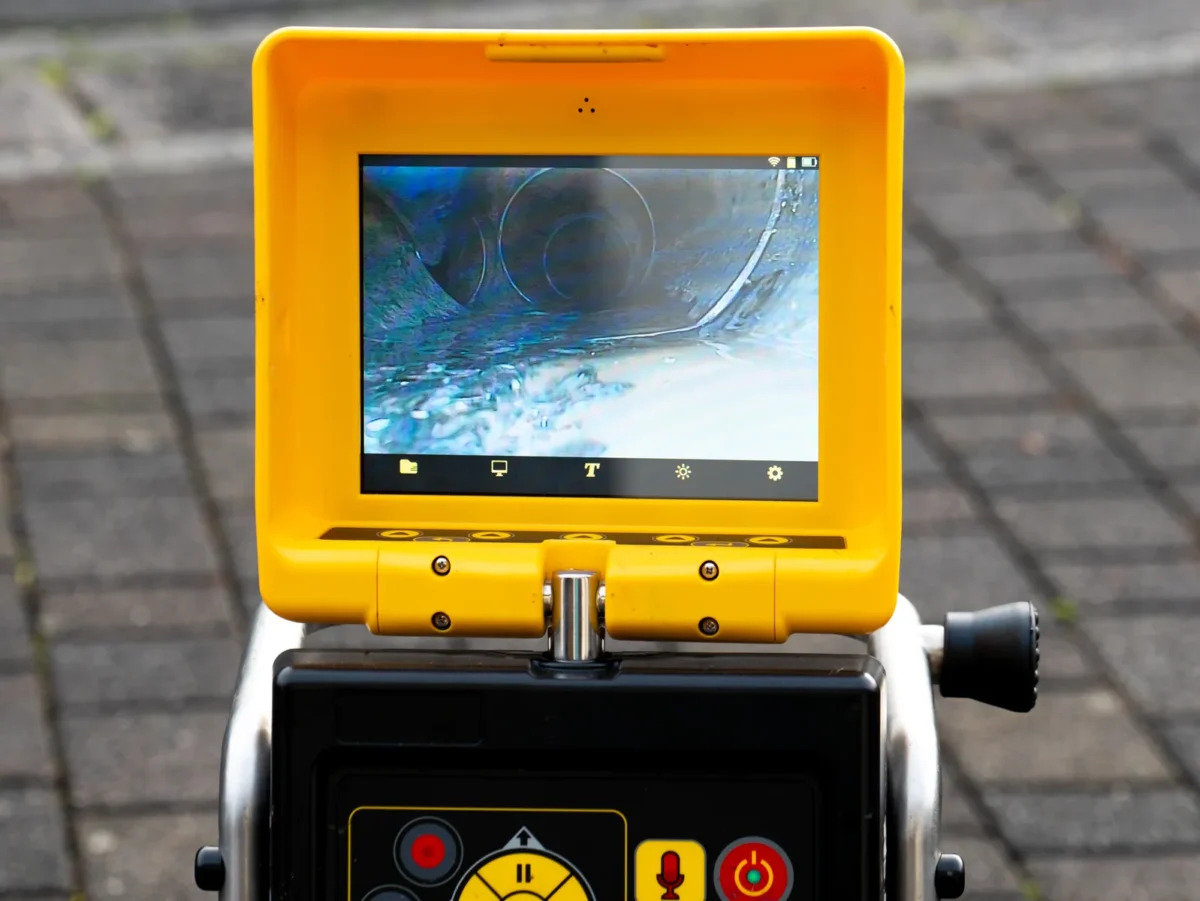
Portable drainage inspection monitor beside a sewer access point.

Camera visibility and survey coverage

Standing water, grease and silt can hide the pipe wall.

Preparing drains for CCTV inspection

Safe access to chambers and the condition inside the pipe are considered before surveying.

Relate visibility to the pipe condition

Standing water, grease and sediment can hide parts of the pipe wall. A preliminary camera view may show an obstruction without revealing the condition beyond it. Cleaning and renewed inspection may therefore be separate stages of the same investigation.

The record needs to distinguish a visible length from one that could not be inspected. An obstruction that stops the camera is a limit on coverage, not evidence that the remaining pipe has no defects. Describing that limit makes the next access or cleaning decision more useful.

Connect a finding to its location

Footage is more useful when the observed feature can be related to the inspected run and an access point. Direction of travel, junctions and distance references can help describe where a restriction or defect was seen. These details should be interpreted within the method and coverage of the investigation.

A camera inspection is not automatically a measured drainage plan. If the work also needs tracing, route mapping or particular measurements, those outputs should be included in the scope. This keeps the inspection record separate from information that has not been collected.

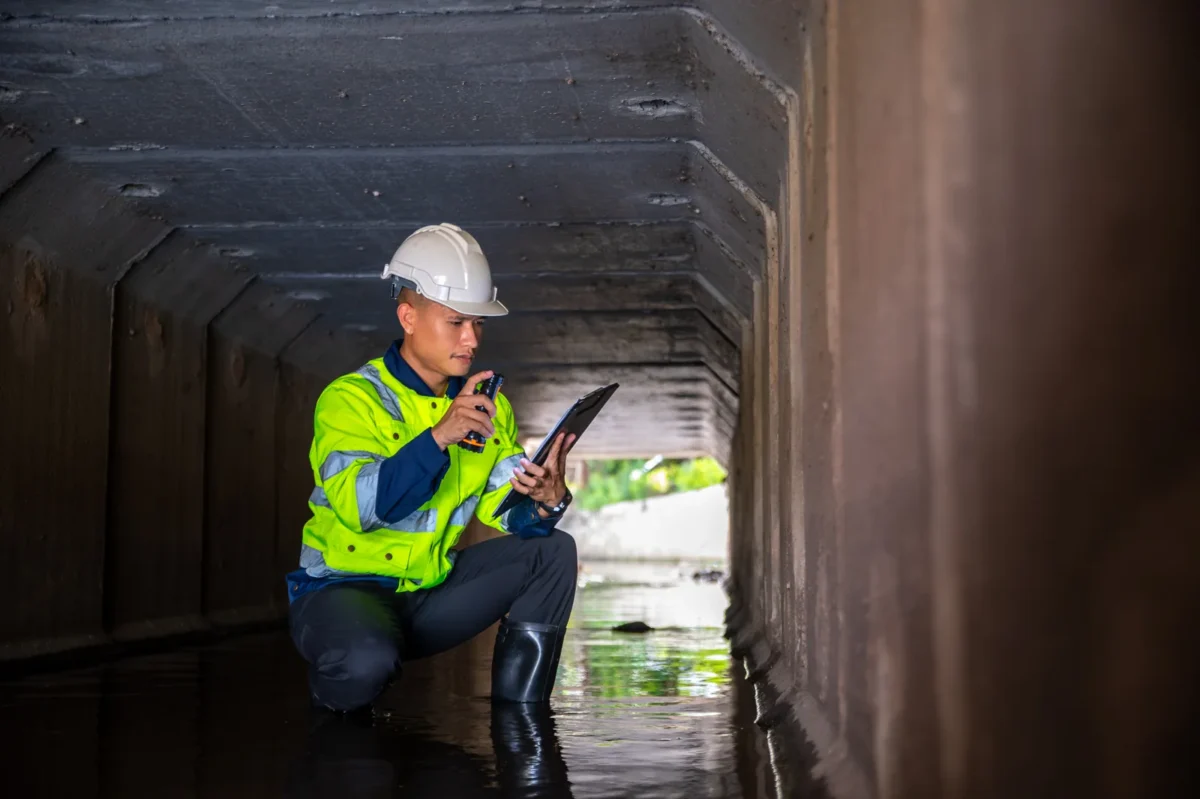
Drainage technician using a tablet while inspecting a concrete box culvert

Discuss commercial CCTV drain survey

Complete the form and we will get back to you.

Compare the evidence with the recurring problem

A deposit may help explain reduced flow without identifying why it repeatedly accumulates. A visible defect may warrant further assessment without explaining every reported symptom. Comparing the findings with cleaning history and the conditions at the time of the fault can help narrow the next step.

The investigation record can distinguish the observed feature, its possible relevance and what remains uncertain. That is more useful for maintenance planning than treating every visible imperfection as the confirmed cause of the complaint.

Use the findings to scope follow-on work

The output should identify the runs inspected, the relevant observations and the coverage limits. Those facts can support a decision about targeted cleaning, additional access or a repair assessment. Work beyond that scope remains a separate decision.

The government’s pollution prevention guidance explains the importance of understanding site drainage routes in England. CCTV findings can help identify conditions within inspected pipe runs. Establishing the wider drainage arrangement may also require site drawings, tracing and confirmation of where individual connections lead.

CCTV Drainage Fault Investigation: common questions

Is this the same as a stand-alone survey of the whole site?

Not necessarily. A fault investigation can focus on the runs relevant to a specific problem. Wider survey coverage needs to be included expressly.

Can cleaning be needed before a meaningful inspection?

Yes. Deposits or water can obscure the pipe interior. The record should identify what was visible before and after any agreed cleaning.

Does every visible defect explain a recurring blockage?

No. Its relevance needs to be considered alongside the fault history, location and other observations. Further investigation may still be needed.

Industrial Drain Cleaning

Services

Request a quote

Menu

Get a quote