Separate immediate relief from repair
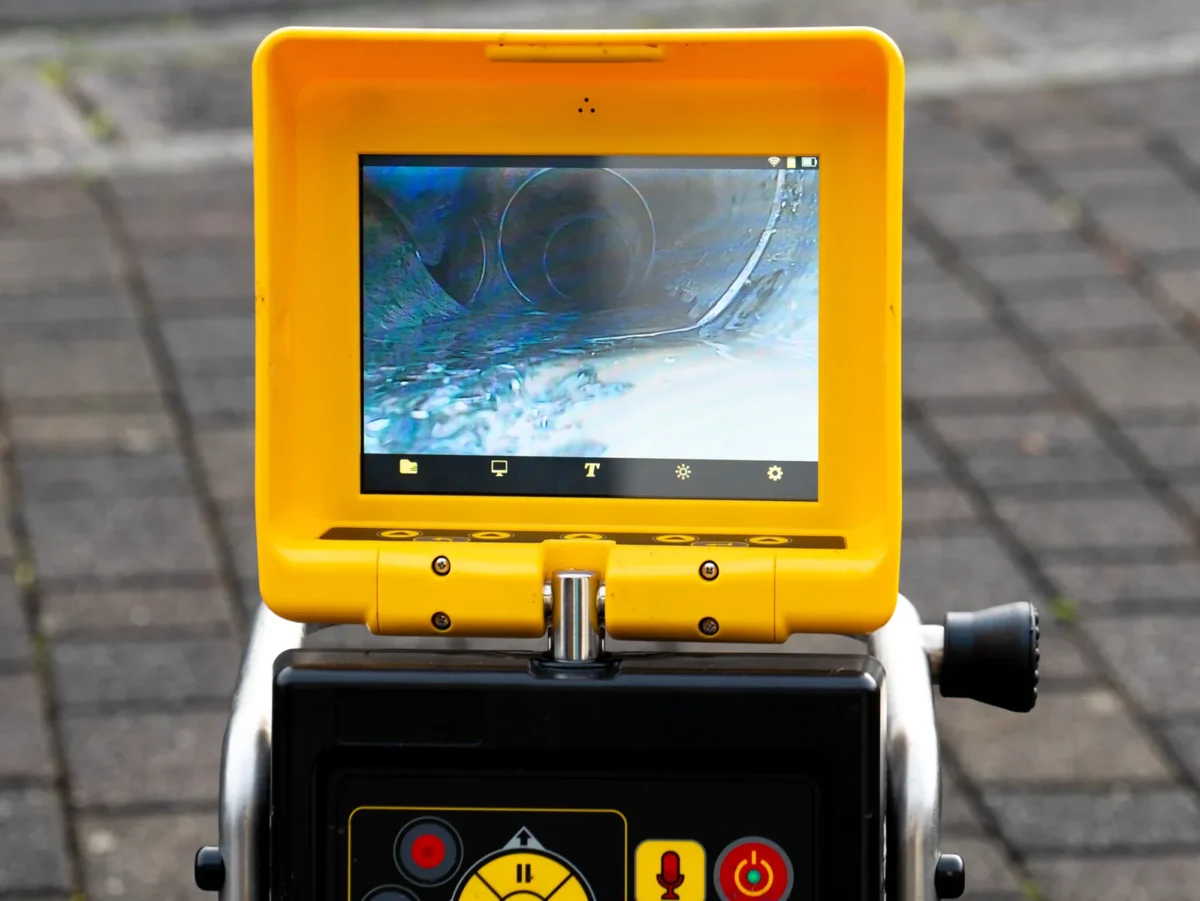
Restored flow is a useful immediate result, but a damaged joint, poor alignment or retained deposit may remain. Where a problem recurs, previous clearance findings help decide whether broader cleaning, inspection or repair is justified.
The Approved Document H guidance for England describes drainage design features. It is background to the installation, not a condition report for an existing site. Repair choices need evidence from the actual affected section.
Build an asset-based maintenance record
The result should identify which pipes, chambers or other assets were worked on and what was found. Location references, cleaned lengths and observations are more useful than a generic description of a drainage visit.
This record can support planned maintenance across a larger site. Tasks can be grouped by asset and reason, while repeat faults remain visible rather than being lost in a sequence of separate invoices. Where waste is removed from the site, the applicable duty-of-care records should be kept separately from the drainage cleaning record. Depending on the waste and the movement involved, this may include waste transfer documentation or hazardous waste consignment records. A later CCTV inspection or specialist servicing visit should have its own clearly identified findings.
Martyn is our technical spokesperson, with particular knowledge of tank cleaning, septic tanks and drainage.